A Modern Guide to Music Industry Promotion
- Nov 10, 2025
- 17 min read
Getting your music heard is more than just hitting "upload." At its core, music promotion is the art and science of connecting your music with the right audience to rack up streams, build a real fanbase, and actually make a living from your craft. It’s a mix of digital branding, social media hustle, and smart release planning that helps you cut through the noise.
These days, success isn't about waiting for gatekeepers to discover you—it’s about taking control and building that direct line to your listeners.
The Modern Blueprint for Music Promotion
The old playbook of signing to a label and letting them handle everything? It's gone. Artists now have the keys to a global audience, but that means you're not just the musician anymore. You're the chief marketer, too. The whole game has shifted from selling CDs to driving streams, which makes consistent, savvy promotion absolutely non-negotiable.
This new reality is a double-edged sword. On one hand, the barrier to entry is almost non-existent; anyone can get their track on Spotify. On the other hand, that means the market is flooded, making it incredibly tough to get noticed.
Thriving in a Saturated Market
The numbers are just insane. In the first half of 2025 alone, global on-demand audio streams skyrocketed to 2.5 trillion. In response, record labels pumped a massive $8.1 billion into A&R and marketing in 2023—that's nearly a third of their total revenue. This isn't just competition; it's an all-out war for listeners' attention.
What this means for you is that making great music is just the ticket to the game. Winning the game requires a real strategy. Digging into global music marketing trends shows just how critical a solid plan is.
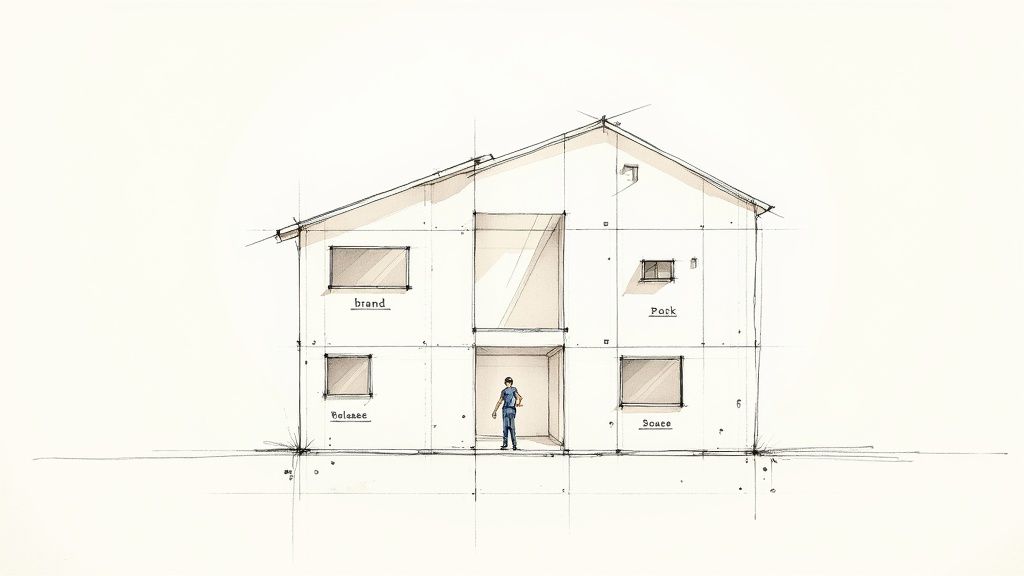
Think of it like building a house. You wouldn’t just start throwing up walls on uneven ground. You need a solid foundation first. For your music career, that foundation is built on a few core pillars that have to work together.
A killer music promotion strategy isn't about one viral TikTok. It's about building a system where your brand, your content, and your releases all feed into each other to create unstoppable momentum.
To get there, you need to focus on three key areas. The following table breaks down these essential pillars.
Core Pillars of Modern Music Promotion
A summary of the essential components required for a successful music promotion strategy in today's digital landscape.
Pillar | Primary Goal | Key Channels |
|---|---|---|
A Strong Digital Brand | Establish your unique identity and story as an artist. | Spotify for Artists profile, official website, visual assets, professional press kit. |
Deep Audience Connection | Build a loyal community of fans who feel invested in your journey. | Social media (Instagram, TikTok), email/SMS lists, Discord/Patreon, live streams. |
Strategic Release Campaigns | Maximize the impact and reach of every new music launch. | Pre-save campaigns, playlist pitching, PR outreach, digital advertising. |
Let's unpack what these really mean for you.
The Three Pillars of Promotion
These aren't just separate to-do list items; they're completely interconnected. If you ignore one, the others will suffer. But when you nail all three, your impact multiplies.
A Strong Digital Brand: This is your foundation. It’s who you are, what you look like, and the story you tell across your Spotify profile and website. It answers the simple question: "Who are you?"
Deep Audience Connection: Think of this as the walls and frame of your house. You build it with real, authentic conversations on social media, direct messages to fans through an email list, and creating a genuine community that revolves around your music.
Strategic Release Campaigns: This is the roof that pulls it all together. It’s the plan you create to launch your music, amplify its reach, and turn every single drop into a major event for your fans.
By focusing on these three pillars, you stop just "putting out a song" and start building a real, sustainable business around your art. This guide is your blueprint for doing exactly that.
Building Your Digital Foundation and Brand
Before you even think about spending a dollar on promotion, the real work begins at home—your digital home, that is.
Think of your online presence as your storefront. When someone discovers your music and comes looking for more, what do they find? A strong, cohesive brand is what makes that first impression count, turning a curious listener into a real fan.
This isn't just about looking cool. It's about telling your story. Every single element, from the bio on your Spotify profile to the color scheme on your website, should work together to say something about who you are as an artist. That narrative is what makes people stick around.
Optimizing Your Spotify for Artists Profile
For most new listeners, your Spotify for Artists profile is ground zero. It's more than just a place to play your music; it's your resume, your portfolio, and your front door, all rolled into one. Leaving it empty is like opening a shop with nothing on the shelves—it tells people there's nothing more to see here.
A decked-out profile shows fans and industry folks (like playlist curators) that you’re serious. It's a huge signal that you're invested in your own career.
Here are the absolute must-haves to get right:
High-Quality Photos: Get professional, high-resolution images for your header and avatar. Make sure they match the vibe of your music and your brand.
Artist Bio: This is your shot to tell your story. Make it interesting, personal, and keep it current. If you're stuck, checking out some top-tier music artist bio examples can give you some great ideas for how to frame your own journey.
Artist Pick: Use this space wisely. Always feature your latest release, an upcoming show, or a playlist you've curated. It proves your profile is active and tells listeners what to check out first.
Social Links: Connect your Instagram, Twitter, and other profiles. Make it easy for fans to find you everywhere else online.
Creating Your Professional Artist Website
Social media is great for day-to-day engagement, but your artist website is the one piece of the internet that you truly own. Algorithms will change and platforms will come and go, but your website is your permanent home base.
It's the spot where you control the entire narrative, with no digital noise or distractions.
Think of it as the central hub for your entire music business. You can sell merch directly to fans, build your email list, and host your Electronic Press Kit (EPK). That kind of control is priceless for building a long-term career.
Your brand is the emotional connection you build with your audience. It's the reason they choose to listen to you out of the millions of other artists available. A consistent brand makes you memorable and recognizable.
A great artist website doesn't need to be complicated, but it absolutely must look professional and be a breeze to navigate. It should be the final word on everything related to your music.
Developing a Cohesive Visual Identity
Let's be real—humans are visual. A strong visual identity makes your music instantly recognizable, whether it pops up on a Spotify playlist, an Instagram story, or a show poster. That consistency is what builds brand recognition and drives home who you are as an artist.
Your visual brand boils down to a few key things:
Album Artwork: Your cover art is a massive marketing tool. It has to be striking enough to stop someone mid-scroll and perfectly capture the sound of the music inside.
Color Palette and Fonts: Pick a consistent set of colors and fonts that you use across every platform. This simple step makes everything look unified and professional.
Logo or Wordmark: A unique logo can become a powerful symbol for your brand, something you can slap on merch, videos, and social posts.
When you thoughtfully build out your digital foundation, you're not just making things look pretty. You're creating an entire world for listeners to step into. This level of professional branding doesn't just pull in fans; it signals to the whole music industry that you’re a serious artist ready to make moves.
Mastering Social Media for Fan Engagement
Let's get one thing straight: social media isn't just a digital megaphone for you to shout "new single out now!" into the void. Think of it as your digital green room, your community clubhouse, and honestly, the single best tool you have for turning casual listeners into die-hard fans. Successful music industry promotion on these platforms has nothing to do with spamming links and everything to do with starting a real, two-way conversation with the people who vibe with your music.
Forget the old days of artists broadcasting from some ivory tower. The artists winning today are the ones who are real, accessible, and consistently showing up. The goal is to create content that tells your story and invites people to be part of it. It's about sharing the wins, the late-night studio struggles, and the messy, beautiful process behind the art.
The Power of Short-Form Video
Right now, the undisputed champion of music discovery is short-form video. It's not even a contest. Platforms like TikTok, Instagram Reels, and YouTube Shorts have completely rewritten the rules for how people find new artists. Their algorithms are built to rocket compelling content in front of fresh eyes, giving you a shot at organic reach that’s pretty much impossible to find anywhere else.
A single, creative 15-second video can literally introduce your sound to millions of potential fans overnight. This isn't about having a Hollywood-level production budget; it’s about having an authentic idea and a spark of creativity. The barrier to entry has never been lower, which makes these platforms absolutely essential for any artist trying to cut through the noise.
For a much deeper dive into building a killer strategy, check out our complete guide on social media marketing for music artists for more advanced tactics.
Building Your Content Pillars
If you want to stay sane and consistent, you need content pillars. These are three to five core themes you post about again and again. This simple framework stops you from waking up and frantically thinking, "What do I post today?" and ensures your feed tells a cohesive story. Instead of just posting "My song is out!" on repeat, you build a much richer world around your music that keeps people hooked between releases.
Try building your social calendar around pillars like these:
Behind-the-Scenes Access: Show people how the sausage is made. Post clips of you messing with a synth in your DAW, scribbling down lyrics in a notebook, or just jamming with your band. This stuff makes fans feel like they're on the inside.
Personal Connection Content: Let your personality shine. What are you into besides music? What movies or books inspire you? Do a quick Q&A answering fan questions or tell a story that shaped who you are. This is how you build a human connection.
Music Showcase Clips: This is where you plug your music, but you have to be clever about it. Jump on a trending sound with your track, post a stripped-down acoustic version, or break down the real meaning behind a specific lyric.
Community Engagement: Get your audience involved! Run a poll asking them to choose your next cover song, ask them to caption a funny photo, or duet their videos using your sound. This makes them feel like they're part of the team.
The secret to social media isn't just posting about your music; it's creating a world around your music that people want to be a part of. Fans follow artists, not just albums.
By cycling through these pillars, you create a feed that’s actually interesting and provides value beyond just self-promo. This is the kind of consistency that algorithms love and that keeps your audience coming back for more.
Platform-Specific Tactics for Music Discovery
While the core ideas are the same everywhere, each platform speaks its own language. TikTok, for example, runs on trends, raw authenticity, and a sense of humor. A super-polished, cinematic video might totally bomb, while a shaky, relatable clip you filmed in two minutes could go viral. The TikTok Discover page is your cheat sheet, showing you exactly which sounds and hashtags are blowing up in real-time.
This screenshot literally shows you the trends driving engagement right now. It’s a roadmap for what people on the platform actually want to see and hear.
Jumping on these trends with your own unique spin is a proven way to get in front of new audiences who are already looking to engage with that sound or idea. It’s your direct line into the cultural conversation happening on the platform, every single day.
Navigating Spotify Playlists and Streaming Growth
In the world of music industry promotion, playlists are the new radio. Landing a spot on a big one can completely change the game for an artist, putting your music in front of thousands of new ears and building the kind of momentum you need for a real career.
But not all playlists are created equal. You can't just throw your music at the wall and see what sticks. You need a strategy, and that starts with understanding the different kinds of playlists on Spotify. Think of it like a puzzle with three different types of pieces.
The Three Tiers of Spotify Playlists
First up, you have the editorial playlists. These are the big dogs, curated by Spotify’s own team of music experts. Playlists like RapCaviar or Today's Top Hits are the holy grail. They're put together by humans, not computers, and can give you a massive, instant spike in streams. Getting on these is tough, and it all comes down to a perfect pitch through your Spotify for Artists account.
Next are the algorithmic playlists. These are the discovery machines, like Discover Weekly and Release Radar. They run on pure data, creating a unique playlist for every single user based on what they listen to. You can’t pitch to these directly, but you can absolutely influence them by getting your own fans to engage with your new music right away.
Finally, you've got user-generated playlists. These are the ones made by everyday listeners, bloggers, and independent curators. They might not have the massive follower counts of the official lists, but they're incredibly valuable for building momentum from the ground up. These playlists show the algorithm that real people are saving and sharing your music, which is a huge signal.
Triggering the Spotify Algorithm
Here's the real secret to long-term growth on Spotify: it's not just about that one big editorial placement. It's about making enough noise to wake up the algorithmic playlists so they start working for you around the clock. The algorithm is always watching for specific signs that listeners are loving your track.
When someone does one of the following, it tells Spotify your music is connecting:
Saves: They save your track to their library.
Playlist Adds: They add your song to one of their own playlists.
Shares: They share your track on social media or send it to a friend.
Repeats: They listen to your song over and over.
The key is to drive these actions, especially in the first week after your release. Get your existing fans hyped up on social media and through your email list. Encourage them to save and playlist your new track the day it drops. That initial burst of activity is what tells the algorithm to start pushing your music to new, similar listeners.
For a deeper dive, check out our full guide on how to master Spotify's algorithmic playlists and get them working for you.
Your goal is to create a ripple effect. Strong engagement from your core fans triggers algorithmic playlists, which puts your music in front of new listeners. When those new listeners engage, it creates a powerful cycle of organic growth.
The whole music discovery journey, from creation to fan engagement, can be visualized pretty simply.
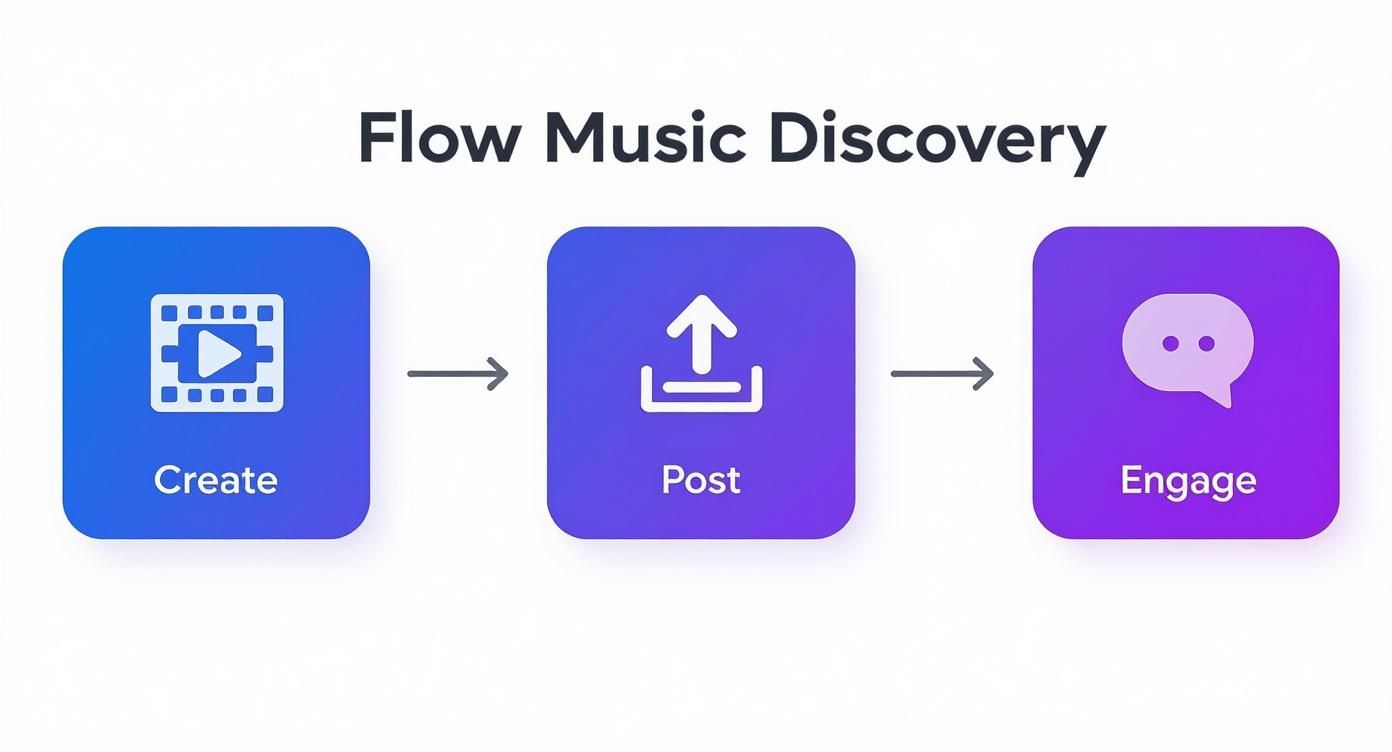
This graphic breaks it down: you create the music, you share it with your fans, and their engagement is what kicks off the discovery process for everyone else.
Pitching to Editors and Avoiding Pitfalls
Even though algorithmic growth is the long-term goal, you should still pitch every single unreleased track to Spotify’s editors. Make sure you submit your song through the Spotify for Artists dashboard at least seven days before its release date. A solid pitch that describes your song's genre, mood, and any marketing plans you have can make a huge difference.
Now for a word of warning. The playlisting world has a shady side. Be very careful with third-party services that promise you playlist placements for a fee. Many of them use bots to generate fake streams, which is a fast way to get your music kicked off Spotify and wreck your reputation.
Real promotion takes time and is all about building organic growth. This is more important now than ever. Global recorded music revenues hit $18.3 billion in the first half of 2025, but with growth slowing down, artists have to be smarter about promotion to get their slice. Building a real, engaged audience is the only way to build a career that lasts.
Cultivating Superfans with Direct-to-Fan Strategies
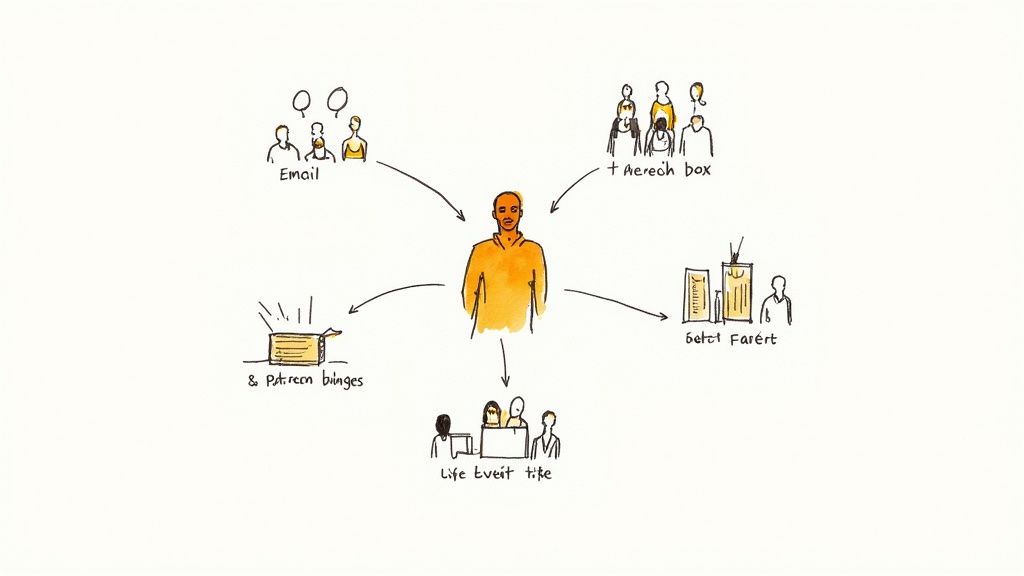
Sure, social media and Spotify are incredible for getting your music in front of new listeners. But there's a huge catch: you're essentially just renting space. You don't control the algorithm, you could lose your account overnight, and you never truly own the relationship with the people who love your music. That's why smart music industry promotion is all about moving from a rented audience to an owned audience.
This is your direct line—the stuff you actually control. Think email lists, text message communities, or private fan groups. These are your assets, totally immune to the whims of some platform's latest update. Building these direct connections is the absolute bedrock of a sustainable music career.
From Rented Audiences to Owned Communities
The concept is simple but incredibly powerful. Instead of crossing your fingers and hoping the algorithm shows your post to your followers, imagine sending a message straight to their inbox. That kind of direct access is gold when you're dropping new music, promoting merch, or selling tickets, all without having to fight for visibility.
This move toward direct-to-fan platforms is one of the biggest trends reshaping music promotion right now. Artists are tired of intermediaries and are focused on building those owned communities. It’s a fundamental shift toward creating more resilient careers. You can dive deeper into this trend by checking out these predictions for the music industry's future on bridge.audio.
Platforms like Patreon, Bandcamp, and even a dedicated Discord server give you the power to build exclusive spaces for your most committed fans. This is where you can offer them more than just the music.
Superfans aren't just consumers; they're investors in your journey. They buy every piece of merch, evangelize your music to their friends, and provide the financial stability to keep you creating. A direct-to-fan strategy is how you find and nurture them.
When you create a members-only community, you get an amazing feedback loop going. You get to know your core fans on a personal level, learn what they connect with, and reward them with unique experiences they can't get anywhere else.
Choosing Your Direct-to-Fan Platform
Different platforms are built for different things, but they all share the same goal: to help you build a stronger bond with your fans. The first step is to think about what you can realistically offer. Maybe it's early access to new songs, behind-the-scenes videos, or even personalized shout-outs.
To help you figure out where to start, here’s a quick breakdown of a few popular options and what they’re best for.
Direct-to-Fan Platform Comparison
This table compares some of the go-to platforms to help you match their features with your specific goals as an artist.
Platform | Best For | Key Monetization Feature | Audience Ownership |
|---|---|---|---|
Patreon | Offering tiered, recurring subscriptions for ongoing exclusive content like behind-the-scenes videos, demos, and private Q&As. | Monthly Memberships | High (You can export member data and email lists) |
Bandcamp | Selling digital music, vinyl, and merch directly to fans. Excellent for release days, as it often drives high sales and chart positions. | Direct Sales (Digital & Physical) | High (You own the customer data from your sales) |
Email/SMS | Building a direct, reliable communication channel for newsletters, tour announcements, and special promotions. | N/A (Drives to other sales) | Complete (You fully own and control your contact list) |
Ultimately, the strongest strategy usually involves mixing and matching these tools. Think of your social media channels as the top of your funnel—great for grabbing the attention of new listeners. Then, your goal should always be to guide them toward signing up for your email list or joining your Patreon.
That’s how you turn a fleeting "like" on social media into a tangible, long-term asset that will fuel your career for years.
Common Questions About Music Industry Promotion
Diving into music promotion can feel like learning a whole new language. You might have the big strategies mapped out, but it's the day-to-day, practical questions that can really trip you up. This section cuts through the noise to tackle the most common questions artists ask, giving you clear, straightforward answers to keep you moving forward.
How Much Should I Spend on Music Promotion?
Ah, the million-dollar question. Luckily, the answer isn't nearly that complicated.
A great rule of thumb for your first few songs is to try and match what you spent making the track. If you paid $500 for a solid mix and master, plan on putting a similar amount into marketing. This creates a really healthy balance—you’re investing just as much in finding an audience as you did in making the music for them.
But hold on, that doesn't mean you blow it all in one go. The real key is to start small, test the waters, and see what actually connects with people. Think of yourself as a scientist running a few small experiments.
Initial Tests: Kick things off with a small, focused campaign. Even a $100 ad spend on Instagram or TikTok can tell you a ton about who's vibing with your sound.
High-Impact Areas: Put that first bit of cash where it will punch above its weight. That could be a killer short-form video or a targeted push to get your track in front of a few key music bloggers.
Reinvest Your Wins: When you start seeing a little traction—a bump in Spotify monthly listeners, a few more email signups—pour that momentum right back in. Double down on what's already working.
This approach stops you from burning through cash and lets you scale up based on real data, not just wishful thinking.
Are Music Promotion Companies Worth It?
They absolutely can be, but you have to walk into this with your eyes wide open. The music promo world is unfortunately packed with services that promise you the moon and deliver next to nothing. Many will flash "guaranteed playlist placements" in your face, but they're often just using bots to create fake streams. That's a fast track to getting your music yanked from Spotify and trashing your reputation.
A legit promoter will always be upfront and transparent.
A real music publicist or marketer will never guarantee stream counts or specific playlists. They'll talk about their process, their strategy, and show you real case studies from artists they've actually helped.
When you're checking out a potential company, keep an eye out for these green flags:
Transparency: They should be happy to tell you exactly what they do, whether it's running your ad campaigns or pitching your music to journalists.
Verifiable Results: Ask to see their work. A great company will be proud to show you case studies or connect you with other artists they've worked with.
Clear Deliverables: You need to know precisely what you're paying for. Are they getting you press? Managing your ads? Get the specifics before you sign anything.
Honestly, one of the best first investments you can make is in yourself. Learning the basics of digital marketing lets you run your own early campaigns and makes you a much smarter buyer when it's time to hire a pro.
How Long Does It Take to See Results From Promotion?
In music, patience isn't just a virtue; it's a superpower. Sure, a video can go viral overnight, but building a real, sustainable career is a marathon, not a sprint. You have to set realistic expectations, or you'll burn out. True growth is all about consistent effort that builds on itself over time.
Think about your progress in a few different stages:
Initial Traction (4-6 Weeks): With a solid release plan, you should see the first signs of life within a month or so. We're talking about those first few playlist adds, a little spike in social media comments, and hearing from brand new listeners.
Audience Growth (6-12 Months): Pushing consistently for six months to a year is when you should see real, measurable growth in your Spotify monthly listeners, followers, and email list.
Fanbase Solidification (1-2 Years): Turning casual listeners into true fans—the kind who buy your merch and show up to your gigs—takes time. That bond is built through steady releases, genuine interaction, and giving them more than just music.
Forget about chasing one big, explosive moment. Focus on steady, month-over-month growth and remember to celebrate the small wins along the way. They all add up.
What Is the Most Important Promotional Activity for a New Artist?
If you're a new artist trying to cut through the noise today, your number one job is making engaging short-form video content. Full stop.
Platforms like TikTok, Instagram Reels, and YouTube Shorts are the most powerful discovery engines on the planet right now. They offer a shot at organic reach that you just can't get anywhere else.
And this isn't about dropping thousands on a polished music video. It's about being real, creative, and authentic. The algorithm loves content that gets people talking and feeling something. A simple, relatable clip showing the story behind a lyric or just goofing around in the studio can connect with a global audience in a way that paid ads or playlist pitching rarely can.
Think of every video as a lottery ticket. The more authentic, creative pieces you put out there, the better your odds of finding an audience that will fall in love with what you do. This is your direct line to triggering the algorithm and building a real foundation from the ground up.
Ready to take control of your Spotify growth with powerful data and insights? artist.tools provides the essential toolkit for bot detection, playlist analysis, and royalty tracking to help you build a sustainable music career. Start making smarter promotion decisions today at artist.tools.
Comments