
What Is a Spotify Private Session: What Is a Spotify
A Spotify Private Session hides your listening from followers for 6 hours or until you restart the app. What it does and what it means for artists.
7
- Defining Spotify Private Session Beyond Privacy
- How to Start and Stop a Private Session
- What Data a Private Session Hides and What It Does Not
- The Impact on Your Artist Analytics and Algorithmic Discovery
- Strategic Scenarios for Using Private Sessions
- Private Sessions and Streaming Data Integrity
- Frequently Asked Questions About Private Sessions
A Spotify Private Session is a temporary incognito mode that hides your listening activity for 6 hours or until you restart the app. It protects your privacy, but it also removes those plays from the recommendation systems that shape discovery on Spotify.
That trade-off matters more than most artists realize. A listener can support your track emotionally and financially while still withholding the algorithmic signal that helps Spotify surface your music to more people.
For casual users, that’s fine. For artists, managers, and playlist curators, it creates a blind spot. Spotify’s social layer now sits inside a platform with over 600 million active users as of 2024 according to ExpressVPN’s guide to Spotify Private Session, so any setting that suppresses visible listening and recommendation input has real consequences at scale.
Defining Spotify Private Session Beyond Privacy
Spotify Private Session is a user-controlled privacy setting that hides real-time listening from followers, but for artists it’s also a signal suppression feature. Most articles stop at “it hides what you’re playing.” That’s only half the story.
Private Session was introduced as part of Spotify’s social sharing push around the Friend Activity era. In practice, it gives listeners a temporary way to disappear from Spotify’s social surface. That solves an obvious user problem. People don’t always want followers seeing every song, podcast, or mood playlist in real time.
The hidden cost is data loss in the discovery layer. Private Session listening doesn’t feed the recommendation systems that shape personalized surfaces such as Discover Weekly and Daily Mix, which means a real play can become invisible where artists most need momentum.
That distinction matters because artists often treat streaming data as a clean read on audience behavior. It isn’t. When listeners use Private Session, the artist gets less usable feedback from the platform’s algorithmic side, even if the fan listened and enjoyed the song.
Why artists should care
What is a spotify private session becomes a much bigger question when you’re evaluating release performance. If a segment of your audience listens privately, your campaign can look softer in recommendation-driven outcomes than the audience response was.
That’s why I frame Private Session as a privacy tool for listeners and a measurement problem for artists. One user gets discretion. The artist loses a signal that could have helped with personalized playlist inclusion, future recommendation weight, and a cleaner interpretation of what happened after a release push.
How to Start and Stop a Private Session
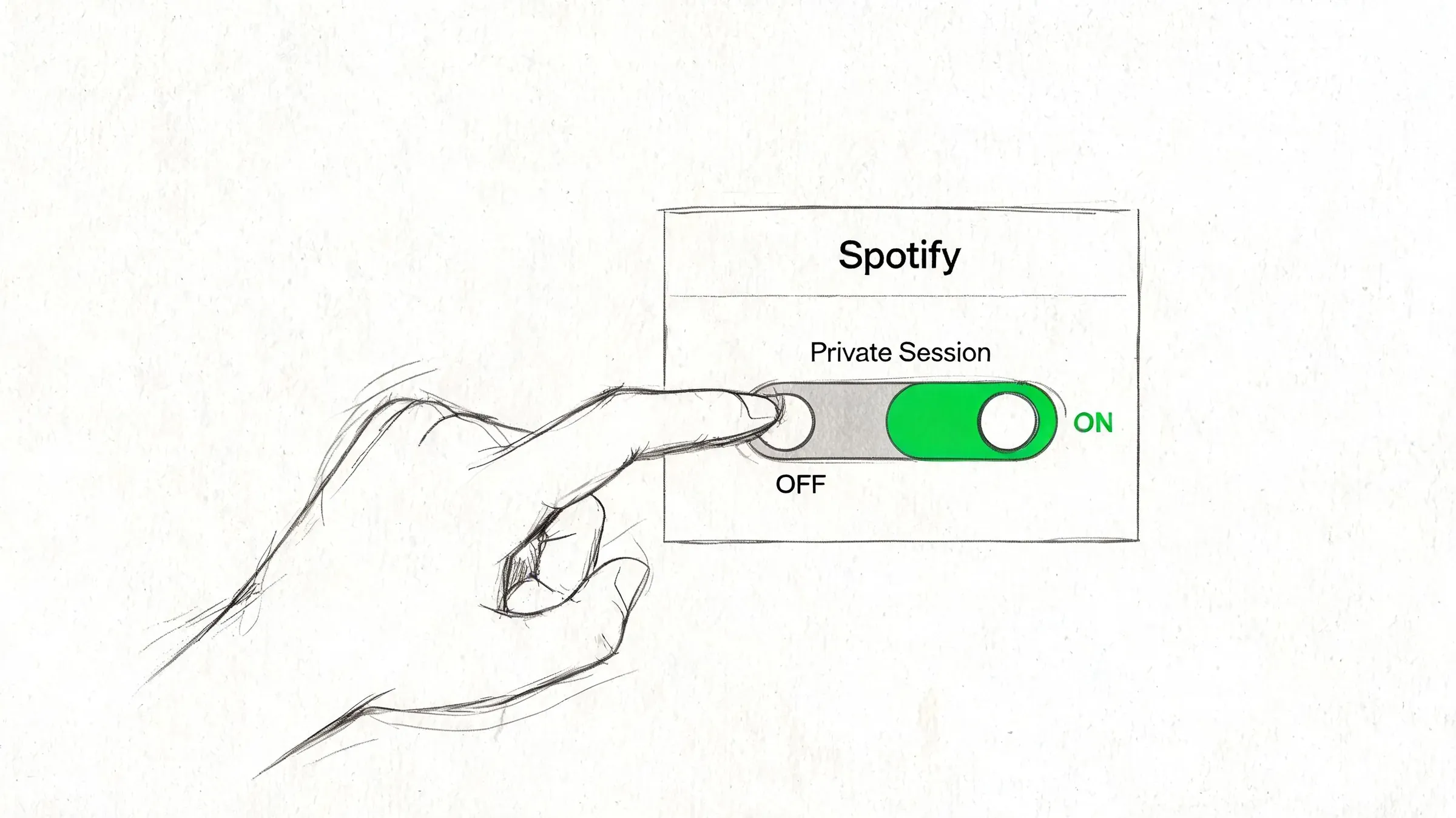
Spotify makes Private Session easy to toggle on, but it’s just as easy to lose without noticing. If you’re using it for research, competitive listening, or personal privacy, you need to know exactly how it starts and exactly how it ends.
On mobile
Use these steps on iPhone or Android:
- Open your profile menu: Tap your profile picture.
- Enter settings: Tap Settings.
- Open privacy controls: Tap Privacy and Social.
- Enable the mode: Toggle Private Session on.
If you want to stop it manually, follow the same path and switch it off.
On desktop
The desktop app is even simpler:
- Open the profile dropdown: Click your profile picture.
- Turn it on: Click Private Session.
- Confirm it’s active: Look for the padlock icon next to your profile.
That padlock matters. It’s the clearest confirmation that the setting is currently live.
If you’re using Private Session while researching other artists or playlists, always confirm the padlock before you start listening.
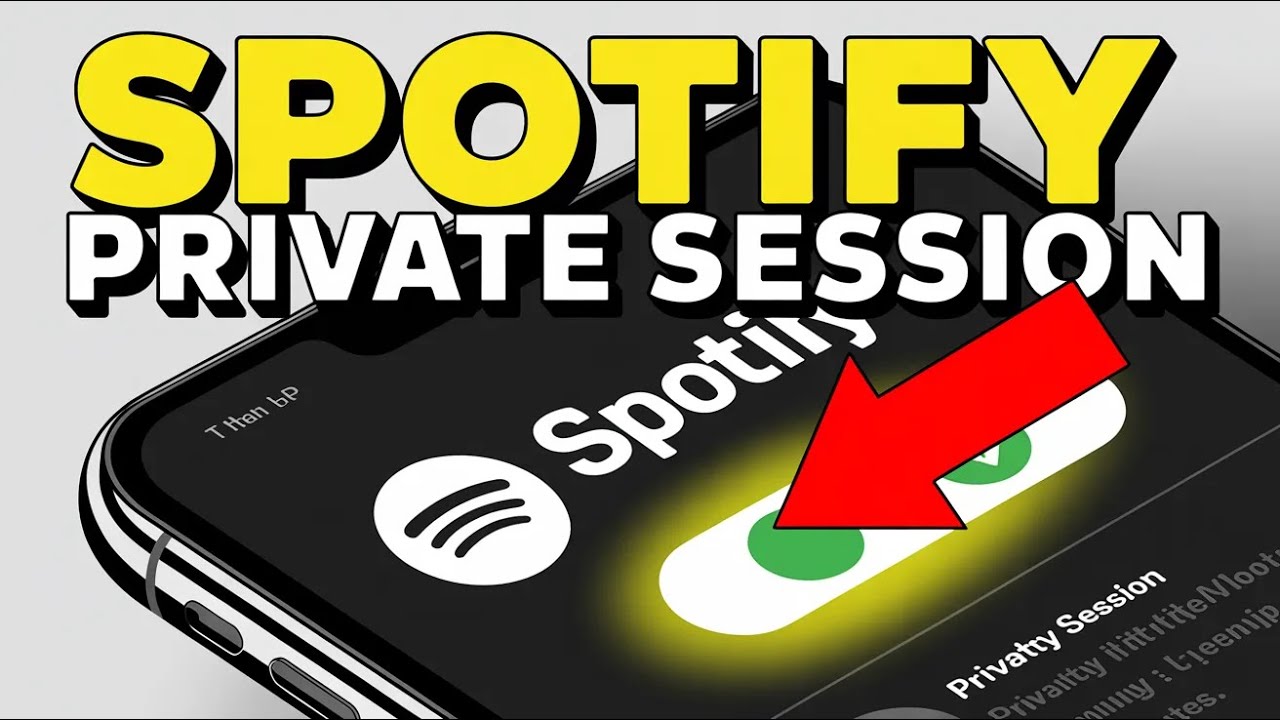
The visual walkthrough below is useful if you want to see the toggle flow before changing settings yourself.
When it stops automatically
Private Session doesn’t stay on indefinitely. It ends after 6 hours or when the app is restarted. That automatic shutoff is the part many users miss.
Here’s what works and what doesn’t:
- Works for short-term privacy: Checking out playlists, listening to rough references, or keeping a temporary listening block off your social profile.
- Doesn’t work for ongoing invisibility: If you restart Spotify, the session ends and you have to activate it again.
- Works for deliberate research: Artists can use it to explore competitors without reshaping personal recommendation surfaces during that session.
- Doesn’t work passively: If you forget the timer or restart the app, you’re back to normal listening behavior.
What Data a Private Session Hides and What It Does Not
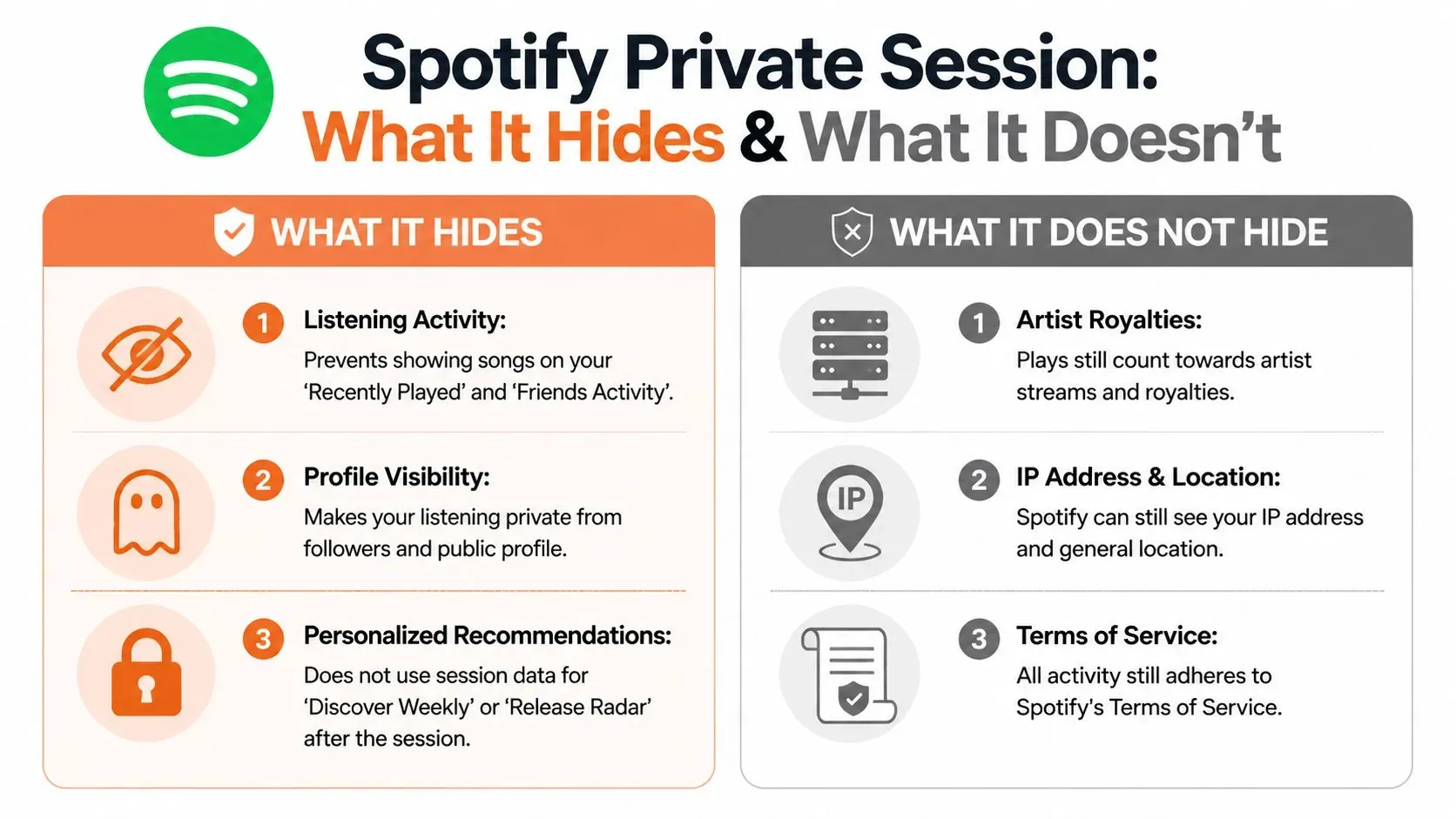
Private Session creates a visibility gap, not a data wipe. For artists and managers, that distinction matters because a fan can listen in full, generate a payable stream, and still leave little or no useful recommendation signal behind.
As noted earlier, the feature hides real-time listening from followers and keeps that activity out of the social layer during the session. It also limits how those plays feed Spotify’s personalization systems. That is the part listeners usually care about. The part artists miss is the blind spot it creates when you try to explain why a track earned streams but did not convert into stronger discovery momentum.
What it hides
Private Session suppresses a narrow set of outputs tied to visibility and personalization:
- Friend Activity visibility: Other users do not see those plays appear in Spotify’s desktop social feed.
- Current listening exposure: The session keeps your live listening private instead of broadcasting it to followers.
- Personalization inputs: Those plays are generally excluded from recommendation features tied to individual taste profiles, such as Daily Mix or Discover Weekly behavior.
What it does not hide
Private Session does not make the stream disappear from Spotify’s business systems.
| Area | What happens |
|---|---|
| Royalties and backend logging | Plays can still be counted for operational and payment purposes, which is why private listening can still have revenue value for rights holders. |
| Wrapped time totals | Listening time may still contribute to high-level annual totals, even if the session changes how that behavior appears in user-facing personalization. |
| Internal platform records | Spotify still retains the metadata it needs for product operations, fraud checks, licensing, and reporting. |
Why artists should care
A private stream can still pay. It may not help discovery in the same way.
That trade-off matters during release campaigns. If a meaningful share of early listeners use Private Session, your team can see activity without getting the recommendation lift you expected from that activity. The result is messy interpretation. You may assume the song failed to convert, when part of the issue is that some listening happened in a mode that weakened its algorithmic value.
This is also where artists get tripped up on analytics. Front-end stats and backend outcomes do not always line up neatly, especially when private listening is involved. If you want a clearer baseline for what Spotify exposes to listeners versus what artists can infer from performance, review this guide on how to see your Spotify stats and analyze your music data.
For managers, the practical takeaway is simple. Treat Private Session as a source of partial blindness, not anonymity. The fan is still there. The stream may still monetize. The discovery signal is where the loss shows up.
The Impact on Your Artist Analytics and Algorithmic Discovery
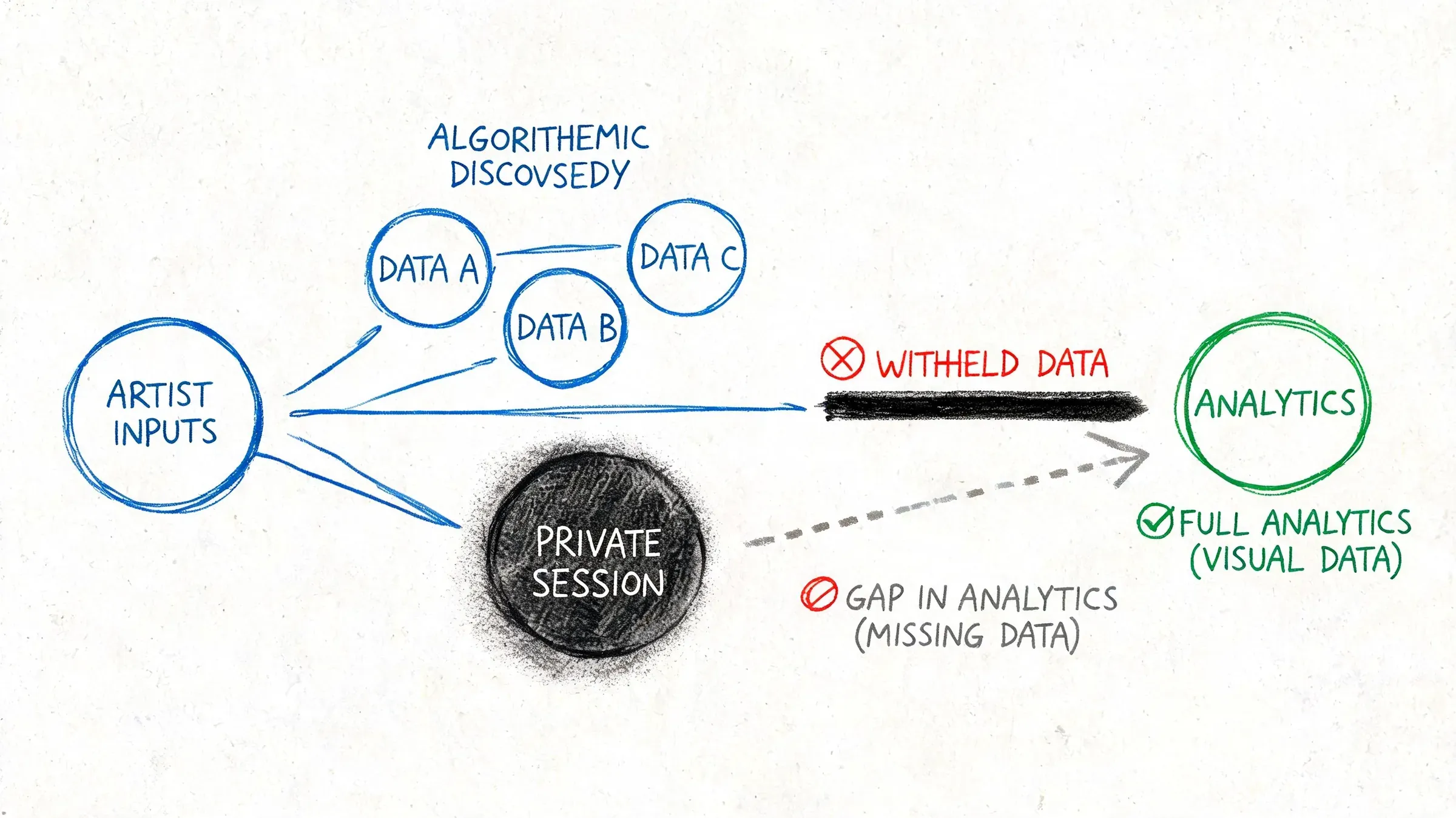
Private Session creates ghost engagement for artists. The listener is real. The play is real. The recommendation signal is absent.
That matters because Spotify’s recommendation environment depends on behavioral input. According to this analysis of how Private Sessions affect algorithmic registration, Private Sessions act as a time-based pause for up to 6 hours, and plays during that period don’t contribute to Daily Mixes, Discover Weekly personalization, or algorithmic playlist placement. For artists, that creates a data quality issue where actual listener engagement can be understated in algorithmic performance metrics.
What gets lost
When fans listen in Private Session, several downstream benefits can weaken:
- Personalization feedback: Spotify gets less usable data for future recommendations tied to that listener behavior.
- Algorithmic playlist momentum: Tracks lose a pathway into recommendation-driven surfaces.
- Campaign interpretation: Artists and managers may read soft algorithmic performance as weak audience interest when the audience was there, just partly invisible.
A release-week example
Take a normal release scenario. You send fans to the new single. They stream it repeatedly because they like it, but some of them use Private Session because they don’t want their followers seeing every play.
The result is frustrating. You may still see audience response in some places, but the recommendation systems get less fuel than expected. Then the team asks the wrong question: “Did the song underperform?” The better question is “How much of the listening happened without recommendation value?”
The problem isn’t only missing streams. The problem is missing evidence that helps Spotify decide who else should hear the song.
Why managers should treat this as a reporting caveat
Private Session can distort post-campaign diagnosis. If you’re reviewing stream behavior after influencer posts, playlist adds, or fan mobilization, a mismatch between obvious fan activity and weak algorithmic lift doesn’t automatically mean the campaign failed.
It may mean the campaign produced listening that didn’t fully enter the recommendation pipeline. That’s especially relevant for independent artists who rely more on algorithmic discovery than editorial placement.
If you’re trying to build a cleaner read on what your Spotify data is saying, this breakdown of Spotify artist analytics and music insights helps frame which metrics deserve more trust than others.
Strategic Scenarios for Using Private Sessions
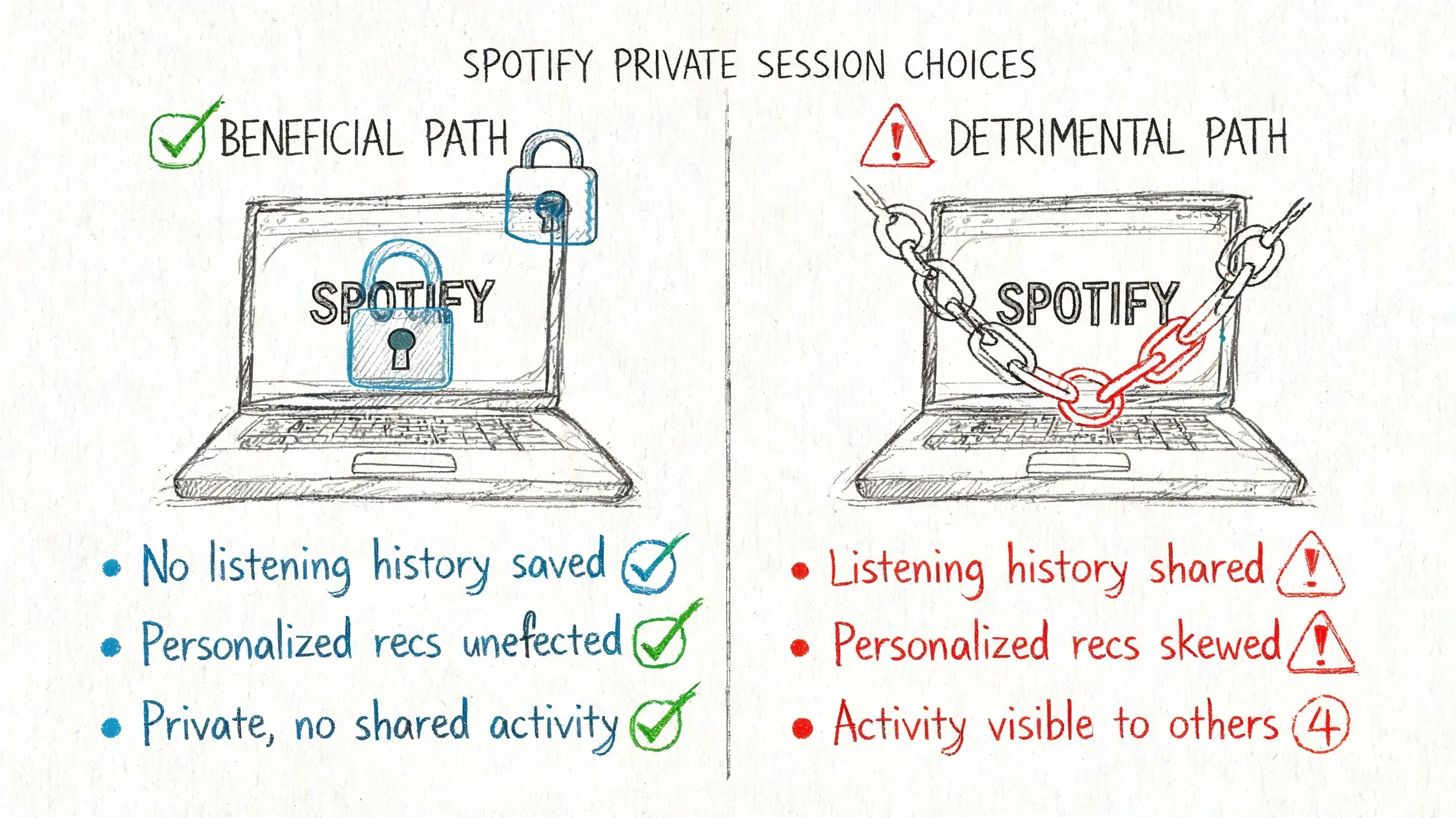
Private Session is useful when you want privacy from followers, but it’s a bad choice when you want your listening to strengthen an artist’s algorithmic footprint. The feature isn’t good or bad on its own. It depends on the job.
According to Business Insider’s reference entry on Spotify Private Session, the main gap in public understanding is the feature’s hidden effect on artist discovery. When listeners use it, artists lose algorithmic signals that could amplify reach. For independent artists that rely on algorithmic playlists, that invisible listening can hinder growth and should be considered in marketing strategy.
Good uses for artists
Some use cases are smart:
- Competitor research: Listen to peer artists, adjacent genres, or playlist sequencing choices without making your social activity public.
- Reference listening: Study mix direction, vocal treatment, or arrangement ideas without cluttering your visible profile.
- Personal listening separation: Keep sleep sounds, comedy, kids content, or unrelated listening from influencing your public-facing music identity.
These are practical uses because the cost is limited. You’re trading recommendation input during that session for cleaner personal privacy or cleaner research habits.
Bad uses during a campaign
Private Session is a poor choice when your goal is to help a release travel.
- Fan streaming parties: If supporters want to help a new single, listening in Private Session weakens the recommendation value of that support.
- Street-team instructions: Never tell fans to stream privately during launch week if discovery momentum is the goal.
- Artist self-streaming for signal: If you’re checking your own release and want those listens to matter in the normal recommendation environment, don’t do it privately.
Tell superfans something simple: if you want your stream to help discovery, listen normally.
A simple decision test
Use this test before turning it on:
| Your goal | Use Private Session |
|---|---|
| Hide what you’re playing from followers | Yes |
| Research playlists or competitors quietly | Yes |
| Support a new release’s recommendation momentum | No |
| Create the strongest possible discovery signal | No |
The cleanest strategy is selective use. Artists should use Private Session for research and personal listening. Fans should avoid it when they’re intentionally trying to help a release perform.
Private Sessions and Streaming Data Integrity
Not every stream pattern with weak algorithmic attribution is bot activity. Private Session is one reason why.
According to IPVanish’s explanation of Spotify Private Session behavior, the feature creates a partial data isolation layer. It stops visibility in Friend Activity but doesn’t halt Spotify’s backend collection entirely. That creates an asymmetry for analytics tools because legitimate private listening and suspicious stream behavior can both appear as reduced algorithmic attribution.
Why this creates confusion
Analysts often look for correlation. If streams rise, they expect recommendation movement, playlist traction, or related downstream signs. When those signs don’t appear, they may assume the traffic is low quality.
Sometimes that conclusion is correct. Sometimes it isn’t.
Private Session introduces ambiguity because a real listener can generate behavior that looks incomplete from the outside. The stream happened, but not in the full way analysts expect when they’re looking for algorithmic reinforcement.
What a smarter review looks like
A better review process uses multiple signals instead of one.
- Look at source mix: A stream pattern that lacks recommendation lift may still align with legitimate campaign activity.
- Check timing context: Listener behavior around launch events, promotions, or fan-driven pushes matters.
- Avoid single-metric judgments: Weak algorithmic movement alone doesn’t prove bad traffic.
If you’re auditing suspicious activity, this guide on how to spot fake Spotify streams is the right framework because it treats anomalies as patterns to investigate, not instant verdicts.
Private Session doesn’t excuse bad data. It explains why some real data looks stranger than expected.
Frequently Asked Questions About Private Sessions
Do Private Session streams still count for royalties
Yes, the stream still has commercial significance even though it loses recommendation value. Private Session is a privacy and attribution setting, not a claim that the listen never happened.
Does Private Session affect Spotify Wrapped
Yes, but selectively. Total listening time can still contribute to Wrapped-style annual metrics, while specific songs, artists, and genres from Private Session listening are excluded from those user-facing summaries, based on the behavior described in the verified data.
Can followers see what I’m listening to during Private Session
No, that’s the point of the feature. It prevents real-time listening from appearing in the social visibility layer tied to followers.
Does Private Session last until I turn it off
No. It’s temporary and ends after 6 hours or when you restart the app.
Should artists tell fans to use Private Session when streaming a new release
No, not if the goal is discovery. Private Session undermines the recommendation signal that helps tracks spread through personalized Spotify surfaces.
Can playlist curators see who listened privately
No individual listener visibility comes from the curator side. The bigger issue for curators is interpretation. Private listening can reduce the algorithmic follow-through that usually helps them understand whether a track is gaining natural momentum.
If you’re trying to separate real audience behavior from misleading Spotify data, artist.tools gives you the practical layer Spotify doesn’t. Use it to monitor stream patterns, inspect playlist quality, track historical changes, and catch the difference between genuine fan activity, weak attribution, and risky traffic before it turns into a bad release decision.