
Who Is the Spotify Artist With Most Monthly Listeners?
- siingem.jy
- 12 minutes ago
- 13 min read
As of late 2024, the crown for the Spotify artist with most monthly listeners sits firmly on the head of The Weeknd. He's consistently held the top spot, pulling in a mind-boggling 107 million listeners. That massive number isn't an accident; it's the result of a deep catalog of smash hits and smart collaborations that keep his music on repeat all over the world.
Who Holds the Top Spot on Spotify Right Now

Climbing to the top of Spotify's listener chart is one thing, but staying there is a different beast entirely. While The Weeknd is the current king, this is a battlefield where ranks can shift overnight. All it takes is a blockbuster album drop, a song going viral on TikTok, or a massive world tour to completely shake up the leaderboard.
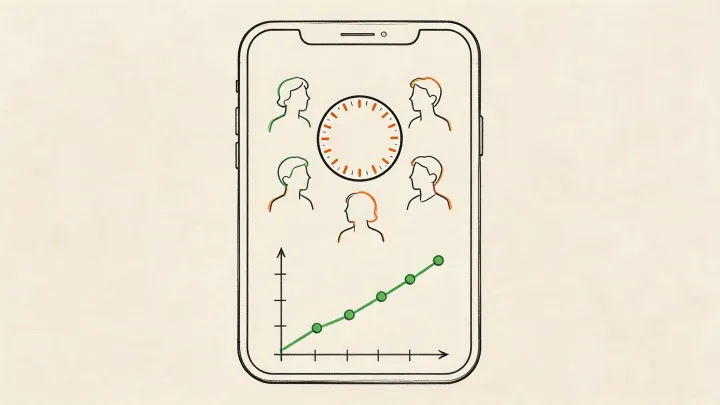
So, what exactly are monthly listeners? This metric counts the unique number of people who streamed an artist's music within a rolling 28-day window. It's the ultimate snapshot of an artist's current cultural pulse—who is grabbing the world's attention right now. Having the most monthly listeners means you have the biggest active audience on the platform, period.
The Current Leaders on Spotify
To really get a feel for how competitive it is at the top, you have to look at who’s right on the heels of the #1 spot. The top five is almost always packed with global superstars whose music cuts across genres and borders. This elite crew consistently pulls in huge audiences, fueled by a steady stream of new hits and timeless fan favorites.
Think of the race for the top spot less like a marathon celebrating an artist's entire career and more like a sprint measuring their present-day momentum. It's a live look at whose music is defining this exact moment.
Here's a quick look at the artists currently dominating the Spotify charts. Just remember, these numbers are always in motion, changing day by day as the world finds its next favorite song.
Current Top 5 Artists by Monthly Listeners
This table gives you a snapshot of the current heavy hitters on Spotify, ranked by the metric that matters most for immediate relevance: monthly listeners. These are the artists defining the sound of today.
Rank | Artist Name | Primary Genre | Recent Peak Monthly Listeners |
|---|---|---|---|
1 | The Weeknd | R&B/Pop | 107M+ |
2 | Taylor Swift | Pop | 102M+ |
3 | Billie Eilish | Alternative/Pop | 97M+ |
4 | Dua Lipa | Pop | 93M+ |
5 | Post Malone | Hip-Hop/Pop | 91M+ |
As you can see, the competition is fierce, with tens of millions of listeners separating the very top from everyone else. This is the big league of music streaming.
What Monthly Listeners Actually Measure
The term ‘monthly listeners’ gets thrown around a lot, but it's easily confused with metrics like total streams or followers. So, what’s the real story?
Imagine your music is a bustling city square. Your monthly listeners are the total number of unique people who walked through that square in the last 28 days. It doesn't matter if someone visited once or a hundred times—they're only counted as one person.
This is a world away from streams. Streams would be the total number of times every person stopped to listen to a street musician in that square. A single die-hard fan could rack up hundreds of streams but still only ever count as one monthly listener. The distinction is critical: monthly listeners measure the breadth of your audience's reach, not just the depth of their loyalty.
Think of it as a direct signal of an artist's current cultural relevance. Labels, promoters, and booking agents are watching this number like a hawk because it shows how many distinct people an artist is connecting with right now. A spike in monthly listeners is often the first sign that a song is catching fire or landed on a major playlist.
The 28-Day Rolling Window
Here’s where it gets a little tricky. The "monthly" part of the name is a bit of a misnomer. Spotify doesn’t just hit a reset button on the first of each month. Instead, it uses a 28-day rolling window.
Every single day, Spotify adds the new day's unique listeners and drops off the data from 29 days ago. This keeps the number fresh and makes it a dynamic snapshot of an artist's immediate momentum.
Here’s a simple way to picture it:
Day 1: An artist pulls in 1,000 new unique listeners.
Day 2 to Day 28: Their count goes up and down with daily activity.
Day 29: Those original 1,000 listeners from Day 1 are now removed from the total, and the new listeners from Day 29 are added in.
This is why an artist's numbers can actually drop even if they're still gaining listeners—it just means a day with huge gains has aged out of that 28-day window. If you want to get into the nitty-gritty of this, you can learn how to track Spotify monthly listeners over time and see these trends play out for yourself.
This rolling window is why the title of "Spotify artist with most monthly listeners" can change so quickly. It's not a measure of historical fame but a live indicator of who is capturing the world's attention at this very moment.
At the end of the day, this metric is all about reach. It answers one simple but vital question for anyone in the music game: How many individual people are hearing this artist’s music? A high number signals broad appeal, making an artist a much more attractive partner for collaborations, tours, and brand deals. It’s the currency of current popularity.
Looking Back: A History of Spotify's Top Artists
Holding the title of Spotify artist with most monthly listeners isn't like winning a lifetime achievement award; it's more like holding the hot potato. It’s a revolving door, a dynamic and pretty wild spectacle where artists can blast to the top, only to get bumped a few weeks later. This constant shuffling is what makes the race so damn exciting to watch.
When an artist grabs that number one spot, it’s a direct reflection of their immediate cultural gravity. A massive album drop, a track that blows up on TikTok, or a sold-out world tour can send an artist’s monthly listeners into the stratosphere, almost overnight. It's a real-time snapshot of who is completely dominating the global conversation.
The Ebb and Flow of Streaming Dominance
The history of Spotify's top spot is star-studded, but very few have shown the sheer staying power of an artist like Bad Bunny. His career is a perfect case study in the patterns of streaming dominance. While some artists peak for a short, brilliant moment, his long-term success shows a different kind of influence altogether.
Bad Bunny has been remarkably consistent, reclaiming the title of Global Top Artist for a fourth time in 2025 with a staggering 19.8 billion streams. That's a huge deal, especially since he already owned that top annual spot in 2020, 2021, and 2022. Even after Taylor Swift took over in 2023 and 2024, his return to the top shows how a steady flow of new music can reignite a massive fanbase. You can dig into more of this data on the list of most-streamed artists on Wikipedia.
This timeline gives you a good idea of just how fast an artist's listener count can explode within Spotify's 28-day measurement window.

As you can see, that 28-day rolling window means a huge surge from a new release will eventually cycle out. This is what makes room for the next artist to have their moment in the sun.
Key Moments That Shake Up the Leaderboard
Certain events are almost guaranteed to cause an earthquake at the top of the charts. If you understand these triggers, you get a clear picture of what it takes to hit that Spotify pinnacle.
Major Album Releases: An anticipated album from a global superstar like Taylor Swift or The Weeknd can instantly mobilize millions of fans to hit play.
Viral Social Media Hits: A track catching fire on TikTok can introduce an artist to a gigantic new audience, driving a ridiculously fast spike in unique listeners.
High-Profile Collaborations: When two massive artists join forces, they merge their fanbases. The result is often a track that just completely takes over streaming.
Global Tours: The nonstop promotion and media frenzy around a stadium tour keeps an artist’s music fresh in everyone’s minds.
The race to become the Spotify artist with most monthly listeners is less about legacy and more about present-day momentum. It’s a real-time measure of who is capturing the world’s ears right now.
Looking back, it's clear that while hitting number one is an incredible achievement, it's often a fleeting moment defined by an artist's current promotional cycle and cultural relevance.
Looking Beyond Listeners to Total Streams
While having the most monthly listeners crowns an artist as the current king or queen of streaming, it's really just a snapshot in time. Think of it like a flash mob—huge, impressive, but maybe not built to last. It measures immediate buzz, not necessarily lasting impact.
Total streams, on the other hand, tell a much deeper story.
This number is the historical record of an artist's entire career on the platform. It represents the long-term legacy they’ve built, song by song, album by album. This metric points to a loyal, dedicated fanbase that comes back to an artist’s catalog again and again, not just when there's a new single dropping.
The Power of a Deep Catalog
Artists like Taylor Swift have built an absolute empire on this idea. Her journey to becoming Spotify's most-streamed artist of all time is a masterclass in keeping fans hooked for the long haul. As of October 24, 2024, her songs had rocketed past 92 billion streams, which is just staggering. It’s a testament to a fanbase that literally lives with her music year-round.
Her dominance was cemented even further in Spotify's 2024 rankings, where she topped the global charts with 26.6 billion streams for the year alone. That kind of staying power is incredible. You can see more details on these streaming milestones on Statista.
This kind of long-term success isn't just about a few viral hits; it's about creating a whole body of work that fans can't stop exploring. Drake is another titan whose colossal stream count reflects a deep connection he's built over years of consistent releases.
Decoding the Stream-to-Listener Ratio
The real magic happens when you look at how these two numbers—listeners and streams—relate to each other. The stream-to-listener ratio is a seriously powerful indicator of how loyal an audience really is. It’s what helps you tell the difference between a one-hit wonder and a true career artist.
Here's how to think about it:
High Listeners, Low Streams Per Listener: This often means an artist has broad but shallow reach. They might have landed on a huge playlist, attracting tons of casual listeners who hear one song and then just move on.
High Listeners, High Streams Per Listener: This is the sweet spot. It signals that an artist has both widespread appeal and a deeply committed audience that’s diving into their full catalog.
A healthy stream-to-listener ratio is one of the clearest signs of a sustainable career. It shows that an artist isn't just being heard; they're being saved, playlisted, and woven into the daily lives of their fans.
Understanding these dynamics is crucial for any artist trying to make it. While chasing the top spot for the Spotify artist with most monthly listeners is exciting, building a library of music that people want to listen to over and over is what actually builds a lasting career. For a deeper dive, check out our guide on using Spotify analytics for artists to boost your music insights.
How Artists Organically Grow Their Spotify Listeners

Climbing the Spotify ranks doesn't just happen. Sure, a viral moment on TikTok can send your numbers through the roof overnight, but real, lasting growth? That’s built on a foundation of smart, consistent actions that get you noticed by both fans and the all-powerful algorithm.
It all starts with getting your house in order. Think of your artist profile as your digital storefront. Keep it looking sharp with fresh photos, a bio that tells your story, and updated tour dates. This is your home base, and it needs to make a great first impression.
Once your profile is solid, it's all about getting your music in front of people. Landing on an official editorial playlist is still one of the biggest game-changers. It’s basically a stamp of approval from Spotify itself, introducing your music to thousands of new ears. This all comes down to a well-written pitch through your Spotify for Artists dashboard, and you absolutely have to submit it well before your release date.
Key Strategies for Authentic Growth
Beyond pitching the big editorial lists, a handful of organic strategies work together to build real momentum. The idea is to create a web of pathways for listeners to find you. You can't just rely on one thing; a multi-pronged attack almost always works best.
Artist Collaborations: Teaming up with another artist is one of the fastest ways to cross-pollinate fanbases. You introduce them to your audience, they introduce you to theirs. It’s a classic win-win that drives listeners to both profiles.
Social Media Integration: Platforms like TikTok and Instagram are the new radio. Creating short, engaging videos that use your track can spark trends that send thousands of people straight to Spotify to hear the whole song.
Consistent Release Schedule: Dropping music regularly does two things: it keeps your existing fans engaged and it signals to Spotify’s algorithm that you're an active artist. This seriously boosts your chances of landing on algorithmic playlists like Discover Weekly.
Getting on human-curated playlists often serves as a trigger for algorithmic playlists. Think of it as a quality signal; a placement tells Spotify your song is resonating, making it a prime candidate for wider, automated distribution.
Turning Listeners into Long-Term Fans
Ultimately, the goal isn't just to get plays; it's to get saves and follows. When a listener saves your track to their library or follows your profile, they're sending a powerful signal to Spotify that your music matters. These actions are what build long-term algorithmic support and a sustainable career.
For any artist who's serious about scaling up, a dedicated monthly listeners tracker is a must-have. It cuts through the noise and shows you which of your strategies are actually moving the needle. It's all about turning those casual listeners into loyal fans who will stick around for the long haul.
Why Authentic Engagement Matters More Than Numbers
It's easy to get caught up in the race for the highest monthly listener count. That big number can feel like the ultimate prize, the clearest sign you've "made it." But let's be real: in the world of streaming, not all listeners are created equal.
The shadow of streaming farms and bots looms large over the industry. These services can pump up an artist's numbers, creating a hollow illusion of popularity. But that's all it is—an illusion. While your monthly listener count might spike for a minute, it delivers zero genuine engagement. Once the payments stop, those "listeners" vanish into thin air.
Real, sustainable careers are built on a bedrock of authentic connection. Spotify's algorithm is smart, and it's designed to spot the difference between a real fan and a bot. It prioritizes the kind of engagement that shows people truly care about your music.
The Metrics That Truly Matter
Instead of chasing an empty number, shifting your focus to these key indicators is a much smarter play. They're the signals that tell Spotify—and the rest of the industry—that you have a real, dedicated following.
Saves: When someone saves your track, they're adding it to their personal library. It's one of the strongest signals of long-term interest you can get.
User Playlist Adds: A listener adding your song to one of their own playlists is a huge vote of confidence. It means they want to hear it again and again, on their own terms.
Follower Growth: A steadily growing follower count shows you're successfully converting casual listeners into committed fans who are eager to see what you do next.
Think about it this way: a small, die-hard audience of "super listeners" is infinitely more valuable than a massive, passive one. On average, these fans make up just 2% of an artist's listeners but drive over 18% of their total streams.
Just look at an artist like Drake. His status as a streaming titan wasn't built overnight on some gimmick. It was forged over years of consistent releases that cultivated a massive, verifiable fanbase. While the exact numbers are always shifting, some data places his all-time streams as high as 158.7 billion—a number built on real loyalty, not fleeting metrics. You can dig into more of these streaming metrics on Music Metrics Vault.
At the end of the day, that genuine connection is the only currency that truly matters.
Common Questions About Spotify Listeners
Even once you get the hang of what monthly listeners represent, a few specific questions always seem to pop up. Nailing down these details is key for any artist or industry pro who wants to make smart decisions based on the data they’re seeing.
Let's clear up a few of the most common questions about this crucial metric.
How Often Do Spotify Monthly Listeners Update?
Here’s something that trips a lot of people up: Spotify's monthly listener count updates daily. But it's not just a simple daily count. It reflects a 28-day rolling window.
Think of it like this: every day, the platform adds the unique listeners from that new day and drops off the listeners from 29 days ago.
This is why your number can go up or down every single day, even if your popularity feels totally stable. It’s a dynamic, real-time snapshot of the last four weeks of activity—not some static report that comes out once a month.
What Is a Good Number of Monthly Listeners on Spotify?
Honestly, a "good" number is completely relative. It all depends on where you are in your career. There's no magic number that means "you've made it" for everyone.
For a brand-new artist, just breaking 1,000 monthly listeners is a huge win.
An emerging indie act might be aiming for 50,000 to start turning the heads of labels and promoters.
Global superstars—the ones competing to be the Spotify artist with most monthly listeners—are playing in a different league, pulling in tens of millions.
The best way to look at it is to focus on your own steady, month-over-month growth. Stop comparing your numbers to a superstar's. A healthy stream-to-listener ratio is often a much better sign of a dedicated, growing fanbase.
Do Monthly Listeners Affect How Much an Artist Gets Paid?
No, not directly. This is a big one. Artists get paid based on the total number of streams, not the number of unique people listening. One die-hard fan streaming your song 100 times generates the exact same royalty as 100 casual fans each streaming it once.
That said, a high monthly listener count is still incredibly valuable. It often leads to more streams, opens doors to better playlist opportunities, and generally gets you more exposure. All of those things absolutely boost an artist's income indirectly, which is why it's a metric you can't afford to ignore.
Ready to stop guessing and start growing? artist.tools gives you the data you need to turn listeners into loyal fans. Track your growth, analyze playlist performance, and build a sustainable career on Spotify. Start making data-driven decisions today at https://artist.tools.
Comments