
9 Ways: How Musicians Make Money
11
- 1. Streaming Platforms and Digital Distribution
- 2. Live Performances and Touring
- 3. Music Licensing and Sync Deals
- 4. Merchandise Sales
- 5. Teaching and Music Education
- 6. Session Work and Studio Services
- 7. Crowdfunding and Fan Support Platforms
- 8. Music Production and Beat Sales
- 9. Brand Partnerships and Sponsorships
- 9 Revenue Streams Comparison for Musicians
- Building Your Diversified Music Empire
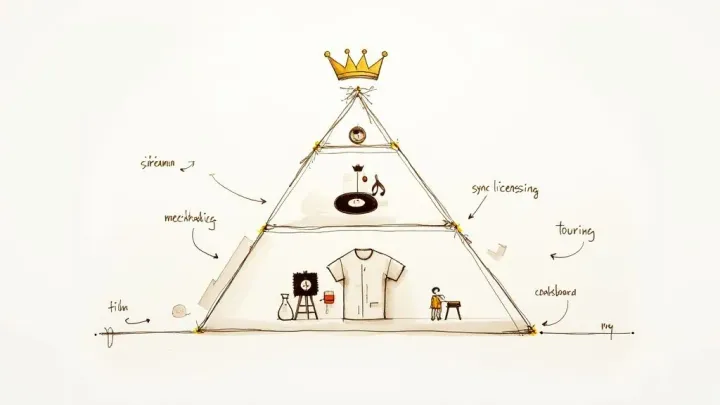
The myth of the starving artist is a relic of a bygone era. In the modern music industry, building a sustainable career is no longer about chasing a single, elusive record deal. Instead, success is built on a diversified and strategic approach to income. For today’s musicians, artist managers, and playlist curators, understanding the full spectrum of revenue streams is essential for growth. This guide serves as a detailed blueprint, moving far beyond generic advice to reveal the specific, actionable strategies that empower working artists.
We will deconstruct the core question of how musicians make money by exploring nine distinct and powerful income channels. This is not a theoretical overview; it is a practical playbook designed to be implemented immediately. You will discover how to maximize your earnings from familiar sources like streaming and live shows, but also how to unlock less obvious, yet highly lucrative, opportunities in sync licensing, brand partnerships, and direct fan support.
Each section is designed to provide you with a clear roadmap, complete with tactical advice and real-world context. Forget the vague platitudes. Here, you will find concrete steps for optimizing your digital distribution, creating merchandise that sells, securing teaching positions, and leveraging your skills as a session musician or producer. Consider this your comprehensive catalog for architecting a music career that is not only creatively fulfilling but also financially resilient and rewarding. Let’s dive into the methods that will turn your artistic passion into a viable, long-term profession.
1. Streaming Platforms and Digital Distribution
Digital streaming has become a cornerstone revenue source in modern music, offering artists unparalleled global reach. Platforms like Spotify, Apple Music, and Amazon Music allow musicians to earn money through micro-payments generated each time their song is played. While individual stream payouts are small, a high volume of plays can accumulate into significant income, as seen with artists like Bad Bunny, who topped Spotify with 8.3 billion streams in a single year.
The key to understanding how musicians make money from this model is recognizing that success isn’t passive. It requires a strategic, data-driven approach to audience growth and discoverability.
Maximizing Your Streaming Income
Transforming streaming from a lottery into a reliable income stream involves actively managing your presence and promoting your music. Focus on getting your tracks onto playlists with real, engaged listeners.
- Playlist Strategy: Use tools to analyze potential playlists before submitting your music. This helps you vet them for genuine engagement and avoid bot-heavy lists that can damage your standing with platform algorithms.
- Release Consistency: Maintain a regular release schedule to keep your audience engaged and signal to algorithms that you are an active creator.
- Metadata Optimization: Treat your song information like SEO. Use precise genre tags, moods, and keywords to help services like Spotify correctly categorize your music and recommend it to new listeners.
Understanding the Payout Landscape
Selected studies report recording-royalty benchmarks around US$3.00–$3.60 per 1,000 streams; actual payouts vary. These are recording royalties before distributor or label fees; songwriting royalties are paid separately. See the Spotify royalties calculator for the sources and country assumptions.
| Study | Spotify recording royalties per 1,000 streams | Statement period / update |
|---|---|---|
| OGRECORDS | US$3.60 median; US$3.30 sample-weighted | April–July 2026 |
| Dynamoi | US$3.02 blended median | Updated February 2026 |
| Duetti | US$3.00 | 2024 |
These studies use different independent catalogues and statistics. They do not establish a fixed Spotify rate or a minimum or maximum payout.
Distribute where your listeners are, then compare your own royalty statements. Streaming is only one income channel; live performance and direct fan support can complement it. For release logistics, learn how to publish music.
2. Live Performances and Touring
Live performances remain one of the most direct and lucrative ways musicians make money, transforming digital streams into tangible, high-value experiences. From local club gigs and private events to large-scale tours and festival slots, performing live allows artists to generate income from ticket sales, guarantees, and on-site merchandise. This revenue stream is a powerhouse, as seen with Taylor Swift’s Eras Tour grossing over $1 billion and festivals like Coachella paying headliners millions.
The core principle behind making money from live shows is creating an unforgettable experience that fans are willing to pay a premium for. Success is built on reliability, professionalism, and a compelling stage presence that converts casual listeners into a dedicated fanbase.
Maximizing Your Live Performance Income
Turning gigs into a significant revenue source requires a strategic approach that starts at the local level and scales upward. Building a strong foundation is key to securing better-paying opportunities.
- Build a Local Following First: Create a strong, dedicated fanbase in your hometown. This proven draw makes you a more attractive booking for venues, promoters, and festivals looking for artists who can guarantee ticket sales.
- Invest in Quality and Reliability: Use professional-grade sound equipment and maintain a reliable, punctual presence. Venue owners and event planners are more likely to re-hire and recommend musicians who are easy to work with and deliver a high-quality show every time.
- Network Strategically: Actively connect with venue owners, booking agents, and other musicians. These relationships are critical for discovering new opportunities, from opening for larger acts to securing residencies or corporate gigs.
- Offer Packaged Deals: For private events like weddings or corporate functions, where a local band can earn $1,000 to $5,000 per event, create tiered packages. Offer different options, such as an acoustic set for a cocktail hour followed by a full-band set for the reception, to maximize your value and earnings.
Understanding the Live Music Landscape
The live music ecosystem is vast, ranging from small, independent venues to global promotion giants like Live Nation and AEG Presents. Each tier offers different opportunities and potential earnings. The key is to identify where you fit and how to climb the ladder. This video provides a deeper look into the business side of booking and performing.

Whether you are performing for 50 people in a local bar or 50,000 at a festival, the fundamental goal is the same: connect with the audience and deliver a memorable experience. While live shows provide direct income, another powerful revenue stream involves licensing your music for use in film, TV, and commercials, which can provide passive income. To further build your brand, it is also essential to learn how to create effective merchandise designs that fans will be excited to buy at your shows.
3. Music Licensing and Sync Deals
Music licensing, or synchronization (“sync”) licensing, is a powerful revenue stream where musicians earn money by allowing their songs to be used in visual media. This includes films, TV shows, commercials, and video games. A successful placement can lead to a significant upfront fee and long-term performance royalties, turning your existing catalog into a recurring source of income. It’s a key way how musicians make money by leveraging their art beyond traditional listening.

The impact of a sync deal can be monumental. Kate Bush’s “Running Up That Hill” saw a massive resurgence and earned millions after being featured in Stranger Things. Similarly, Apple commercials have launched the careers of indie artists, and the Grand Theft Auto soundtracks have generated millions in licensing fees for a wide range of musicians.
Maximizing Your Sync Licensing Opportunities
Landing a sync deal requires a proactive approach and a professional catalog. Music supervisors and licensing agents are constantly searching for tracks that fit a specific mood, scene, or brand identity. Your job is to make your music easy to find, license, and use.
- Create Instrumental Versions: Always have high-quality, professionally mixed instrumental versions of your key tracks available. This gives editors flexibility and dramatically increases your chances of a placement.
- Build Relationships: Network with music supervisors, filmmakers, and advertising agency creatives. Attend industry panels and use professional platforms like LinkedIn to connect with decision-makers.
- Organize Your Metadata: Just like with streaming, metadata is crucial. Tag your files with detailed information including genre, mood, tempo (BPM), and keywords (e.g., “uplifting,” “dramatic,” “driving”).
- Consider a Sync Agent: Partnering with a reputable sync licensing agency can give you access to a wider network of opportunities and help you navigate the complex negotiation process.
Understanding the Payout Landscape
Sync licensing involves two primary revenue components: the upfront synchronization fee and backend performance royalties. The sync fee is a one-time payment for the right to use your music, which can range from a few hundred dollars for an indie project to hundreds of thousands for a major ad campaign. Performance royalties are then generated each time the media is publicly broadcasted. To fully grasp this model, you can learn more about what music royalties are with this complete insider guide, which breaks down the different types and how they are collected.
4. Merchandise Sales
Merchandise sales have evolved from a simple tour souvenir into a primary revenue driver and a powerful marketing tool for artists. This income stream allows musicians to offer tangible products like apparel, vinyl records, posters, and unique collectibles, giving fans a physical way to support their favorite artists while enjoying significantly higher profit margins than music sales alone. Artists like Travis Scott, whose collaborations have generated millions, prove that a strong brand can be as lucrative as a hit record.
The key to understanding how musicians make money with merchandise is viewing it as an extension of their artistic brand. It’s not just about selling t-shirts; it’s about creating a culture that fans want to be a part of, transforming passive listeners into active brand ambassadors.
Maximizing Your Merchandise Income
To turn merchandise from an afterthought into a consistent revenue source, you need a thoughtful strategy that balances accessibility with exclusivity. Your goal is to create products that resonate with your specific audience.
- Start with Print-on-Demand (POD): For emerging artists, POD services eliminate upfront costs and inventory risk. You can experiment with different designs and products without a significant financial investment, only paying for items as they are ordered.
- Create Scarcity with Limited Editions: Offer limited-run items like signed vinyl, exclusive colorways, or anniversary apparel. Scarcity drives urgency and can turn a standard product into a high-demand collectible, as often seen with K-pop group releases.
- Bundle Products with Music: Increase the value of your music releases by bundling them with merchandise. A digital album paired with an exclusive t-shirt or a vinyl record that includes a digital download code encourages higher-value purchases.
Building Your E-commerce Presence
A dedicated and well-designed online store is essential for capturing sales directly from your fanbase. Your store should be easy to navigate, visually appealing, and optimized for conversions. To prevent lost sales and ensure a smooth purchase process, focusing on shopping cart optimization strategies is crucial for converting visitors into buyers.
Remember that merchandise is a direct connection to your most dedicated fans. Pioneered by bands like Metallica and the Grateful Dead, who built entire ecosystems around their brand, this approach remains a cornerstone of how musicians make money today.
5. Teaching and Music Education
Monetizing expertise through education offers musicians a stable and rewarding revenue stream that complements performance-based income. By offering private lessons, group workshops, or creating online courses, artists can leverage their skills to generate consistent earnings. This model is not just about teaching an instrument; it encompasses production tutorials, music theory classes, and songwriting workshops, as seen with platforms like Berklee Online or educators like Rick Beato who have built entire brands around musical knowledge.
Understanding how musicians make money from education means recognizing its dual benefit: it provides direct income while simultaneously building your authority and professional network. A private guitar teacher charging $75 per hour can create a reliable base salary, while a producer selling a mixing course online can achieve scalable, passive income.
Maximizing Your Teaching Income
Transforming your musical knowledge into a profitable educational business requires structure, marketing, and a clear value proposition. Focus on creating a curriculum that delivers tangible results for students.
- Develop a Structured Curriculum: Don’t just teach songs. Create a progressive learning path with defined goals, exercises, and milestones. This justifies premium pricing and encourages long-term student commitment.
- Specialize Your Niche: Instead of being a general “guitar teacher,” become the go-to expert for “fingerstyle jazz guitar for beginners” or “Ableton sound design for electronic producers.” Specialization attracts dedicated students willing to pay more for targeted expertise.
- Offer Tiered Packages: Create multiple entry points for students. Offer single-hour lessons, discounted monthly packages, and premium masterclass options. This caters to different budgets and commitment levels, maximizing your potential student base.
Understanding the Educational Landscape
The path to a successful teaching career can take many forms, from one-on-one instruction to scalable digital products. Local music schools provide a steady, if modest, starting point, while building a personal brand online offers unlimited earning potential. High-profile instructors on platforms like MasterClass can secure six-figure deals, demonstrating the high value placed on expert musical instruction.
The key is to view teaching not as a fallback, but as a core component of a diversified music career. Building these skills also provides valuable insight into leadership and project management. For a deeper look into the business side of a music career, explore these tips for artist management and industry success, which can help you structure your educational offerings like a professional enterprise.
6. Session Work and Studio Services
For highly proficient instrumentalists and vocalists, offering your skills for hire is a time-tested and reliable revenue stream. Session work involves being paid to perform on other artists’ recordings, for live tours, or on commercial projects like jingles and film scores. It rewards technical skill, versatility, and professionalism, providing a steady income independent of your own creative projects.
Understanding how musicians make money in this area means seeing yourself as a service provider. Success depends less on personal branding and more on your reputation for delivering high-quality musical parts efficiently, as demonstrated by legendary groups like The Wrecking Crew in the 1960s or Nashville’s modern “A-list” session players who can command rates of $300-$500 per session.
Maximizing Your Session Work Opportunities
To transform your musical talent into consistent freelance income, you must build a reputation for reliability and excellence. This involves networking, honing your craft, and treating every gig as an audition for the next one.
- Build Your Network: Cultivate relationships with producers, engineers, and other artists. Your professional network is your primary source of referrals and repeat business.
- Embrace Versatility: Be proficient in multiple genres and styles. A guitarist who can deliver authentic blues licks, tight funk rhythms, and modern pop textures is far more employable than a specialist.
- Invest in a Home Studio: Having a quality home recording setup allows you to take on remote session work from clients anywhere in the world. Platforms like AirGigs and SoundBetter connect freelance musicians with artists seeking specific skills.
- Develop Speed and Precision: In a studio environment, time is money. Practice learning parts quickly by ear or from charts, and be prepared to deliver a perfect take with minimal fuss.
Understanding the Session Musician Landscape
The market for session musicians is diverse, ranging from local indie projects to major label recordings and remote online collaborations. Your strategy should adapt to the opportunities available to you. For instance, focusing on remote work requires a different promotional approach, emphasizing a strong online portfolio and fast turnaround times.
For those looking to build a career in this sphere, it is vital to learn from those who have paved the way. To understand the business side and standard practices, explore this detailed guide on becoming a session musician. Similarly, to find remote opportunities and connect with potential clients globally, check out freelance platforms like AirGigs, which specialize in musical services.
7. Crowdfunding and Fan Support Platforms
Direct fan support through crowdfunding has revolutionized how musicians make money, bypassing traditional gatekeepers to fund projects directly from their audience. Platforms like Kickstarter, Patreon, and Bandcamp empower artists to connect with their most dedicated fans, who contribute financially in exchange for exclusive content, early access, and unique experiences. This model transforms listeners into active patrons, as demonstrated by Amanda Palmer, who famously raised over $1.2 million on Kickstarter to fund her album, tour, and art book.
The core of this revenue stream is the value exchange. It’s not just about asking for money; it’s about building a community and offering tangible perks that deepen the artist-fan relationship. This approach allows for creative and financial independence.
Maximizing Your Fan Support Income
Successfully funding a project or building a subscription base requires careful planning and consistent engagement. Your campaign is a product launch, and your supporters are your most valued investors.
- Create Compelling Tiers: Design a range of support levels with clear, attractive rewards. Offer a mix of digital goods (early access to songs, exclusive behind-the-scenes videos) and physical items (signed merch, handwritten lyric sheets) to appeal to different budgets.
- Set Realistic Goals: If using a project-based platform like Kickstarter, set an achievable funding target that covers essential costs. A “stretch goal” plan for extra funds can motivate supporters to exceed the initial target.
- Maintain Transparent Communication: Keep your backers informed with regular updates on your progress. Transparency builds trust and makes supporters feel like part of the creative journey, encouraging long-term loyalty.
Understanding the Payout Landscape
Different platforms cater to different funding models. Patreon is ideal for ongoing, subscription-based support, providing a predictable monthly income. Kickstarter and GoFundMe are better suited for specific, time-bound projects like recording an album or funding a tour. Bandcamp integrates direct-to-fan sales with patronage options, allowing artists to centralize their monetization efforts.
Choosing the right platform depends on your immediate goals. Do you need a lump sum for a big project, or are you looking to create a steady, recurring revenue stream? For a deeper dive into one of the leading platforms, learn more about how Patreon works for creators. To see how project-based funding can launch a creative endeavor, explore successful music projects on Kickstarter.
8. Music Production and Beat Sales
For producers and musically-inclined artists, selling beats and production services has become a primary business model. This revenue stream involves creating instrumental tracks and selling licenses to other artists, rappers, and content creators. With the rise of online marketplaces and accessible technology, producers can build a global business from a home studio, as seen with producers on platforms like BeatStars who have built six-figure incomes from their catalog.
The key to understanding how musicians make money in this space is viewing each instrumental as a digital asset that can be licensed repeatedly. Success hinges on a combination of musical skill, savvy digital marketing, and building a recognizable brand.
Maximizing Your Production Income
Transforming beat-making from a hobby into a profitable venture requires a strategic approach to distribution, branding, and artist relations. The goal is to create a scalable system that generates consistent sales.
- Develop a Signature Sound: Create a unique sonic identity that makes your work instantly recognizable. This could be a specific drum pattern, a unique use of samples, or a particular melodic style. A strong sonic brand helps you stand out in a crowded marketplace.
- Offer Tiered Licensing: Don’t just sell one type of license. Create multiple options like basic MP3 leases, premium WAV leases, and exclusive rights. This allows you to cater to artists with different budgets and needs, maximizing your potential sales from a single beat.
- Build an Artist Network: Actively engage with up-and-coming artists on social media and music platforms. Offer feedback, collaborate, and build genuine relationships. A strong network can lead to direct sales, custom production work, and valuable word-of-mouth marketing.
Understanding the Marketplace Landscape
The beat-selling economy is driven by online marketplaces that connect producers with artists. These platforms handle payment processing, file delivery, and contract management, allowing you to focus on creating music. Choosing the right platform and understanding its features is crucial for growth.
While marketplaces provide a built-in audience, building your own brand is equally important. To learn how to market yourself effectively as a producer, explore these comprehensive digital marketing tips for musicians. To further diversify your skills beyond beat sales, consider how live performance can complement your income by reading about how musicians make money from live shows.
9. Brand Partnerships and Sponsorships
Collaborating with brands has evolved into a major revenue stream, allowing artists to monetize their influence and cultural cachet. From sponsored social media posts to full-blown endorsement deals, these partnerships leverage a musician’s audience and credibility to create mutually beneficial campaigns. When executed authentically, sponsorships can provide significant income, as seen with Travis Scott’s McDonald’s collaboration, which reportedly earned him millions and caused supply chain issues for the fast-food giant.
This model is a powerful way for how musicians make money because it moves beyond traditional music sales, capitalizing on an artist’s personal brand and connection with their fanbase. Success hinges on finding the right fit and creating content that adds value rather than just advertising.
Maximizing Your Partnership Income
Securing and growing brand deals requires a professional and strategic approach. It’s about demonstrating your value to a potential partner and ensuring the collaboration feels genuine to your audience.
- Build a Professional Media Kit: Create a comprehensive media kit that showcases your brand identity, audience demographics (age, location, interests), and key engagement metrics (reach, likes, comments). This is your business card for potential sponsors.
- Start with Authentic Alignment: Begin by approaching smaller, local, or niche brands that align perfectly with your music and lifestyle. Endorsing a guitar pedal you already use or partnering with a local coffee shop you frequent is a great way to build a portfolio of authentic collaborations.
- Negotiate Based on Value: Don’t just accept free products. Your compensation should reflect your reach, engagement rates, and the scope of the work required. Negotiate for fair payment, whether it’s a flat fee, a commission on sales, or a combination.
- Maintain Transparency: Always be transparent with your audience about sponsored content. Using hashtags like #ad or #sponsored builds trust and is often legally required, ensuring your followers appreciate your honesty.
Understanding the Partnership Landscape
The type of partnership you pursue can vary greatly, from one-off posts to long-term ambassadorships. For emerging artists, micro-influencer campaigns with lifestyle or equipment brands are an accessible entry point. Major artists, on the other hand, can secure large-scale deals with global corporations like Nike or Pepsi. The key is to find opportunities that match your current reach and audience. For a deeper look into building a public image that attracts these opportunities, explore how to brand yourself as a musician. To understand the legal side of these agreements, consider this guide to music sponsorship contracts.
9 Revenue Streams Comparison for Musicians
| Revenue Stream | Implementation Complexity 🔄 | Resource Requirements ⚡ | Expected Outcomes 📊 | Ideal Use Cases 💡 | Key Advantages ⭐ |
|---|---|---|---|---|---|
| Streaming Platforms & Digital Distribution | Low: Setup on platforms, metadata optimization | Low: Digital assets, distribution service | Low per-stream income; requires high volume | Independent artists seeking global reach | Passive income, global accessibility |
| Live Performances and Touring | High: Logistics, production, scheduling | High: Equipment, team, travel costs | High income per event; varied revenue streams | Artists with strong local/regional fanbase | Direct fan interaction, premium pricing |
| Music Licensing and Sync Deals | Medium-High: Negotiations, legal work | Medium: Catalog quality, professional reps | Potentially high one-time and residual income | Artists with licensable catalogs | Passive income, exposure via media |
| Merchandise Sales | Medium: Design, inventory management | Medium-High: Production, storage, fulfillment | Moderate to high profit margins | Artists with loyal fanbase | High profit margins, brand building |
| Teaching and Music Education | Medium: Curriculum design, scheduling | Low: Expertise, basic recording gear | Steady, predictable income | Skilled musicians wanting flexible work | Recurring revenue, authority building |
| Session Work and Studio Services | High: Skill, networking, reliability | Medium-High: Equipment, studio setup | Variable income, project-based | Experienced musicians adaptable across styles | Consistent paid gigs, professional growth |
| Crowdfunding and Fan Support Platforms | Medium: Content creation, fan engagement | Low-Medium: Ongoing content, marketing effort | Predictable income via subscriptions or projects | Artists with engaged fan communities | Direct fan support, creative freedom |
| Music Production and Beat Sales | Medium-High: Technical skills, content creation | Medium: Home studio, software, marketing | Scalable income from digital products | Producers targeting independent artists | High profit margins, scalable model |
| Brand Partnerships and Sponsorships | High: Negotiation, content creation | Medium-High: Social media, audience management | High income with established large following | Established artists with strong audience | High earning potential, expanded exposure |
Building Your Diversified Music Empire
The journey through the nine distinct revenue streams detailed in this guide reveals a fundamental truth about modern music careers: sustainability is no longer found in a single home run, but in a portfolio of interconnected successes. The days of relying solely on album sales or a blockbuster tour are relics of a bygone era. Today’s most resilient artists are entrepreneurs, CEOs of their own multifaceted music businesses. Understanding how musicians make money is the critical first step; building a system where each income source supports and amplifies the others is the masterstroke.
Think of each revenue stream not as a separate bucket to fill, but as a gear in a larger machine. Your streaming data doesn’t just generate royalties; it’s a map that shows you precisely where your most dedicated fans live, allowing you to plan a more profitable tour. The energy and connection you build at those live shows directly translate into higher merchandise sales. A strong brand cultivated through consistent live performances and a unique merch line then makes you an attractive candidate for lucrative brand partnerships. This synergy is where real, lasting wealth is built.
From Musician to Music Entrepreneur: Your Action Plan
The sheer number of options can feel overwhelming, but the path forward is a process of strategic, incremental growth. Don’t try to launch all nine revenue streams at once. Instead, adopt a phased approach to build your empire brick by brick.
Here are your immediate next steps:
- Conduct a Personal Audit: Start by honestly assessing your current situation. What are your strongest skills? Are you a phenomenal live performer, a gifted teacher, or a wizard in the studio? Where is your audience most engaged right now? Use this self-awareness to choose your starting point.
- Select Your Core Streams: Based on your audit, identify two or three revenue streams that feel most natural and achievable for you right now. For many, this might be a combination of Streaming, Live Performances, and Merchandise. For a studio-focused producer, it could be Beat Sales, Session Work, and Music Licensing.
- Master and Systematize: Focus your energy on executing these core streams with excellence. Create high-quality merch designs, refine your live set, and actively promote your music to playlist curators. As you gain traction, create systems to manage these efforts efficiently, freeing you up to focus on the creative work.
The Power of Recurring Revenue
As you build, pay special attention to opportunities for recurring revenue. While a sync deal or a tour provides a significant financial injection, models that generate consistent monthly income create a powerful safety net. This is where fan clubs and subscription-based platforms truly shine. By offering exclusive content, early access, or behind-the-scenes updates for a small monthly fee, you transform casual listeners into dedicated patrons. This model not only stabilizes your cash flow but also deepens your relationship with your most loyal supporters. For musicians looking to broaden their income streams, exploring diverse business models can unlock significant recurring revenue. Learn more about top subscription-based business ideas that can be adapted for a music-focused brand.
Ultimately, the most crucial shift is a mental one. You are more than an artist; you are the architect of your career. Each stream of income you develop is a testament to your creativity, business acumen, and dedication. By embracing this diversified approach, you are not just figuring out how musicians make money; you are building a resilient, adaptable, and profitable enterprise that can support your artistic vision for years to come.
Ready to turn streaming data into a cornerstone of your music business? Use artist.tools to find the right playlist curators, track your performance, and make data-driven decisions to grow your audience. Stop guessing and start strategizing at artist.tools today.