
The Top Genres of Music in 2026: A Spotify Data Deep Dive for Artists
Discover the top genres of music on Spotify. Our 2026 roundup uses data to guide artists on pitching, playlisting, and SEO for maximum career growth.
Navigating modern music requires more than just talent; it demands a deep understanding of the digital ecosystem, especially on a platform as dominant as Spotify. The phrase top genres of music often brings to mind radio charts, but the reality of streaming is far more nuanced. Listener behavior, algorithmic playlists, and curator networks create a complex web of opportunities and challenges. This guide moves beyond generic rankings to provide a data-centric analysis of 10 major genres.
For each genre, we will dissect Spotify-specific trends, from streaming numbers and audience demographics to the critical, actionable insights needed to succeed. We’ll examine data points that show you how to identify high-integrity playlists, optimize your tracks for Spotify’s search algorithm, and craft the perfect pitch.
This isn’t just about what’s popular; it’s a strategic roadmap for artists, managers, and curators. You will learn how to:
- Pinpoint keyword and search opportunities within each genre.
- Analyze listener data to better target your audience.
- Develop effective strategies for submitting to playlists.
- Understand the monetization potential and royalty estimates for different styles of music.
Ultimately, this article provides the tools to find your niche, connect with listeners, and build a sustainable career on Spotify.
1. Hip-Hop / Rap
Hip-hop’s journey from the block parties of 1970s New York to global streaming dominance solidifies its position as one of the top genres of music today. Characterized by rhythmic spoken-word lyrics over beat-focused instrumentals, its cultural and commercial power on platforms like Spotify is immense. For independent artists, this genre offers a rich ecosystem of engaged listeners and a high volume of playlisting opportunities, both editorial and user-generated.
Success in this space is often driven by strategic playlist penetration. Drake’s consistent presence on major playlists like Today’s Top Hits and the genre-defining RapCaviar keeps his music in constant rotation. Travis Scott’s team, similarly, ensures his tracks land on influential playlists upon release, creating an immediate and widespread impact. This demonstrates that getting your music placed is not just about exposure; it’s about reaching the right, highly engaged audience repeatedly.
Actionable Strategies for Hip-Hop Artists
To gain traction in this competitive genre, focus on data-driven pitching and optimization. A calculated approach will yield better results than scattered, un-targeted efforts.
- Identify Quality Playlists: Use a tool like artist.tools’ Playlist Analyzer to vet potential playlists. Look for consistent follower growth and low bot activity to ensure your music reaches real listeners, not just inflated numbers.
- Optimize Your Music’s SEO: Research trending keywords in your specific sub-genre (e.g., “lo-fi beats,” “UK drill,” “conscious rap”) with a Keyword Search. Integrate these terms into your track titles, artist bio, and playlist descriptions to improve search visibility.
- Measure Your Impact: After securing a placement, use a stream tracker to monitor changes in your monthly listeners and stream counts. This data confirms which playlists are driving real growth, helping you refine your submission strategy.
- Pitch to Editorial Playlists: Identify artists with a similar sound who have landed on Spotify’s editorial lists. Use this information to build a compelling case with an AI Editorial Pitch Generator, which can help articulate why your track is a perfect fit for a specific playlist.
2. Pop
Pop music’s formula of catchy melodies and broad commercial appeal makes it an undeniable titan among the top genres of music. Defined by its accessibility and chart-topping power, pop dominates Spotify’s largest playlists and captures the biggest cross-demographic listener base. For artists, its versatility allows for fusions with nearly any other genre, creating a massive ecosystem for those aiming for maximum reach and cultural impact.
The genre’s success is deeply connected to strategic playlisting. The Weeknd’s sustained presence on major playlists like Today’s Top Hits demonstrates how consistent placement drives long-term relevance. Similarly, Olivia Rodrigo’s breakthrough was accelerated by targeted placements that introduced her music to a massive, ready-made audience. These examples show that securing spots on key pop playlists is a direct path to global listenership.
Actionable Strategies for Pop Artists
To stand out in the highly competitive pop arena, artists must adopt a data-informed approach to playlist pitching and audience targeting. Precision is more effective than casting a wide net.
- Target Authentic Playlists: Before pitching, use a Playlist Analyzer to vet editorial and user-generated playlists. Focus on those showing genuine, consistent follower growth to ensure your music reaches real listeners and not bots.
- Avoid Damaging Placements: Employ a Bot Detection tool to identify compromised playlists. Submitting to lists with high bot activity can harm your credibility with Spotify’s algorithm and hurt future editorial considerations.
- Define Your Niche: Research pop sub-genres like “synth-pop,” “indie-pop,” or “pop-rock” with a Keyword Search. Integrating these specific terms into your track metadata and artist bio helps you connect with a more targeted audience.
- Craft a Compelling Pitch: Monitor the playlist placements of similar artists to find the right curators. Use an AI Editorial Pitch Generator to articulate why your sound aligns perfectly with their playlist’s aesthetic, increasing your chances of getting noticed.
3. Electronic / EDM
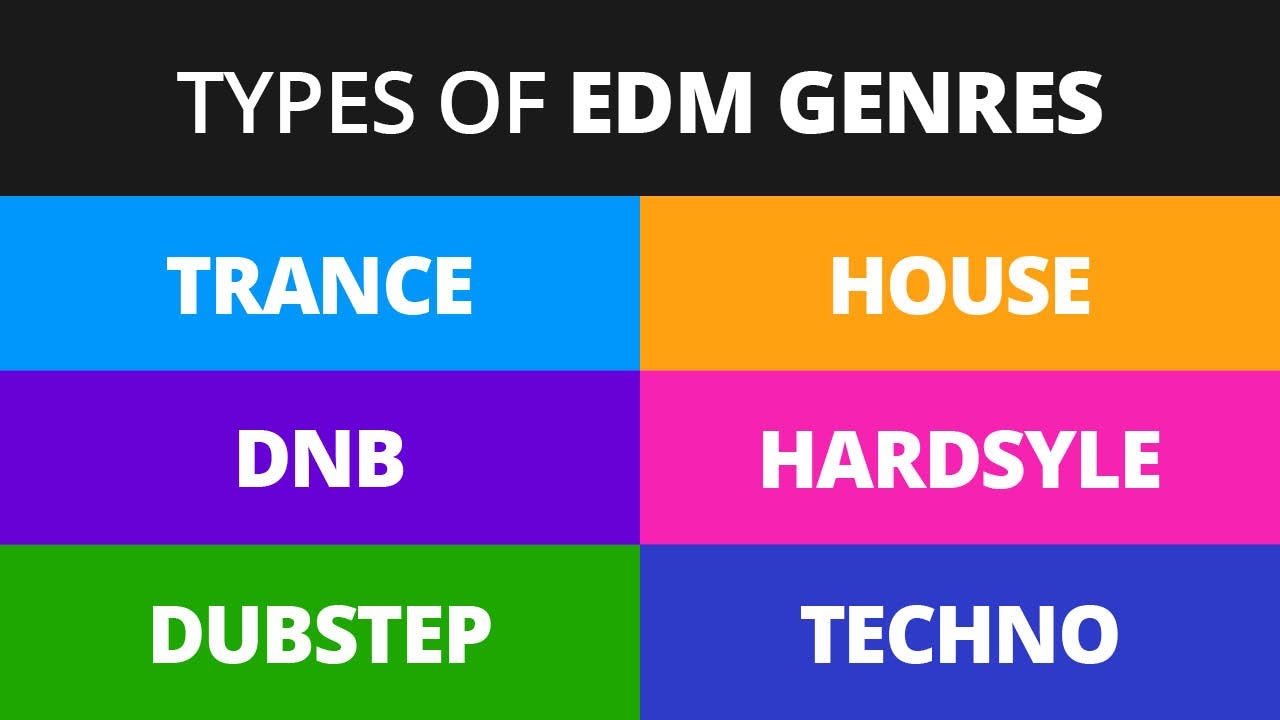
Electronic dance music’s evolution from underground club scenes to massive global festivals confirms its place among the top genres of music. EDM, produced mainly with synthesizers, drum machines, and digital software, is a diverse category covering everything from house and techno to dubstep. Its community on Spotify is incredibly active, driven by a powerful network of influential playlists, blogs, and festival tie-ins that create a fertile ground for independent artists.
Success in EDM often depends on smart playlist targeting and an understanding of its many sub-genres. Artists like Calvin Harris and Zedd achieve widespread play by crossing over into pop-oriented dance playlists, while producers like ILLENIUM strategically secure placements across multiple niches, such as future bass and melodic dubstep. Deadmau5 also shows the power of a direct-to-fan approach, using streaming to maintain a dedicated following. This highlights the importance of not just getting on playlists, but getting on the right playlists for your sound.
Actionable Strategies for Electronic Artists
To cut through the noise in the packed EDM scene, a data-first approach to promotion is essential. Precise targeting and performance analysis will deliver more meaningful results than a scattergun submission strategy.
- Vet Playlists for Bot Activity: Use a Playlist Analyzer with bot detection before submitting. The EDM genre is particularly susceptible to fake streams, so checking for authentic follower growth and engagement is critical to ensure your music reaches real listeners.
- Optimize for Sub-Genre Search: Identify trending keywords for your specific sound (e.g., “tech house,” “future bass,” “lo-fi house”) with a Keyword Search. Weave these terms into your track titles and artist bio to improve your visibility in search results.
- Broaden Your Playlist Search: When using a Playlist Search tool, look for both general “EDM” keywords and specific sub-genre terms. This will uncover a wider variety of placement opportunities, from broad genre-defining lists to niche, highly-engaged communities.
- Analyze Remix Performance: If you release multiple versions of a track, use a Stream Tracker to see which edits or remixes perform best. This data reveals what your audience prefers and can guide future production decisions.
4. Rock / Alternative Rock
Rock’s legacy, built on electrifying guitars and raw instrumentation, ensures its place as one of the top genres of music, even as its mainstream market share has shifted. From classic rock to modern alternative and indie, the genre cultivates a deeply passionate and engaged fanbase. For artists, this loyalty translates into significant playlisting opportunities, especially within the thriving alternative and indie sub-genres where dedicated communities drive discovery.
Success in this genre often hinges on connecting with these niche communities. Tame Impala’s dominance on psychedelic rock playlists and The 1975’s penetration of major alternative playlists showcase how strategic placement can build a dedicated following. Similarly, Arctic Monkeys’ consistent presence on indie rock lists reinforces their status, proving that targeting specific sub-genre curators is key to reaching a receptive audience.
Actionable Strategies for Rock Artists
To cut through the noise, a focused, data-informed approach is essential. Concentrate your efforts on authentic playlists within your specific rock sub-genre for the best results.
- Find Niche Playlists: Use a Playlist Search tool to identify alternative and indie rock playlists. Filter for curators who genuinely support emerging artists to focus your submission efforts where they will have the most impact.
- Optimize Your Artist SEO: Research specific keywords like “garage rock revival,” “dream pop,” or “modern classic rock” with a Keyword Search. Weaving these terms into your artist bio and track descriptions helps fans find your music through search.
- Analyze Your Peers: Track the monthly listener growth of similar artists in your sub-genre using a Monthly Listeners Tracker. This helps you identify which playlists are effectively breaking new acts and provides a roadmap for your own pitching.
- Pitch for Editorial Features: Identify artists with a sound similar to yours who have been featured on official Spotify editorial playlists. Use this data to craft a persuasive pitch with an AI Editorial Pitch Generator, demonstrating a clear fit for playlists like All New Rock or The New Alt.
5. R&B / Soul
R&B’s evolution from classic soul roots to a modern, genre-blending force has secured its place as one of the top genres of music on streaming platforms. Defined by its smooth production, emotional vocal performances, and lyrical depth, the genre attracts a deeply engaged audience looking for authenticity and artistic substance. For independent artists, R&B presents significant opportunities for building a dedicated fanbase through a rich network of curated playlists.
The genre’s success is often a result of smart artistic positioning and consistent playlist presence. SZA’s crossover from neo-soul to mainstream stardom and Khalid’s regular appearances on major R&B playlists highlight the power of reaching the right listeners. The Weeknd’s fusion of R&B with pop aesthetics demonstrates how genre-bending can create massive commercial impact while staying true to core R&B sensibilities. These examples show that connecting with the genre’s audience is about fostering a genuine artistic connection.
Actionable Strategies for R&B Artists
To stand out in the R&B space, artists should focus on authentic positioning and targeted outreach. A thoughtful, data-informed strategy will build a more sustainable career than broad, untargeted promotion.
- Find Authentic Playlists: Use a Playlist Analyzer to discover growing R&B playlists with high listener engagement. Focus on curators who champion authentic soul and contemporary R&B to ensure your music reaches a receptive audience.
- Target Niche Keywords: Research specific terms like “neo-soul,” “alternative R&B,” or “chill R&B” with a Keyword Search. Integrating these keywords into your track metadata and artist bio will improve your visibility within these passionate sub-communities.
- Track Your Performance: Once you secure a placement, use a Stream Tracker to monitor which of your songs resonate most with R&B listeners. This data is vital for understanding your audience and refining your future releases and pitching efforts.
- Pitch for Editorial Impact: Analyze artists with a similar sound who have been featured on Spotify’s R&B editorial playlists. Use an AI Editorial Pitch Generator to craft a compelling pitch that clearly explains why your track aligns with a playlist’s specific mood and audience.
6. Indie / Indie Pop
Indie music, defined by its artist-driven and independently released ethos, stands as one of the top genres of music for authentic artist discovery on Spotify. Indie pop, in particular, merges catchy melodies with DIY production, creating a sound that resonates deeply with audiences who value authenticity. The genre’s ecosystem is powered by dedicated curator communities and potent algorithmic playlists, making it a fertile ground for artists who operate outside the major label system.
The path to success in indie pop is often paved with organic, community-driven growth. Clairo’s bedroom-pop track “Pretty Girl” exploded through algorithmic and user-generated playlists, showcasing how an authentic sound can find a massive audience. Similarly, Girl in Red built a devoted following by creating music that spoke directly to the LGBTQ+ indie community, turning playlist placements into genuine fan connections. This demonstrates that for indie artists, a thoughtful playlist strategy is crucial for reaching listeners who are actively seeking new, original music.
Actionable Strategies for Indie / Indie Pop Artists
To make an impact in the indie scene, artists should focus on authentic engagement and data-informed outreach. A targeted approach will connect your music with the right communities and curators.
- Find Authentic Playlists: Use a Playlist Analyzer to identify legitimate indie and indie-pop playlists. Look for steady follower growth and organic listener activity to ensure you’re connecting with real fans, not bots.
- Discover Niche Curators: Employ a Playlist Search tool to find emerging indie-pop curators before their playlists become oversaturated. Building relationships with these smaller but dedicated tastemakers can lead to more impactful, long-term support.
- Optimize for Discovery: Research indie-pop-specific keywords like “bedroom pop,” “dream pop,” or “sad indie” using a Keyword Search. Incorporate these terms into your song descriptions, artist bio, and social media to improve your music’s visibility in search and algorithmic recommendations.
- Benchmark Your Growth: Monitor your progress against comparable indie artists using a Monthly Listeners Tracker. This helps you set realistic goals and understand what success looks like within your specific niche, providing context for your streaming data.
7. Latin / Reggaeton
Latin music’s explosion onto the global stage, powered by the infectious energy of reggaeton, makes it one of the most dynamic and fastest-growing top genres of music on streaming platforms. Its broad appeal, from regional Mexican to Latin trap, has created a vibrant and highly engaged listener base. For artists, this genre presents a massive opportunity for explosive growth, with Spotify heavily investing in dedicated editorial playlists and marketing support.
The success of global superstars highlights the power of a focused playlisting strategy within this ecosystem. Bad Bunny’s releases consistently dominate major playlists like Viva Latino and Baila Reggaeton, securing millions of streams on day one. Similarly, artists like Karol G and J Balvin achieve crossover success by landing their tracks on both Latin-specific and global pop playlists, proving that strategic placement is key to breaking through regional barriers and reaching a worldwide audience.
Actionable Strategies for Latin Artists
To capitalize on this genre’s momentum, artists must adopt a precise, data-informed approach to playlisting. Authenticity and regional awareness are crucial for connecting with the right audience.
- Vet Playlists Diligently: The Latin genre is heavily targeted by bot networks. Use a Playlist Analyzer with robust bot detection to critically evaluate potential playlists, ensuring your music reaches genuine fans and your data remains clean.
- Find Authentic Regional Playlists: Go beyond the major editorial lists by using a Playlist Search tool to uncover legitimate, regionally focused playlists. Look for curators with authentic engagement in markets like Mexico, Colombia, or Puerto Rico to build a grassroots following.
- Research Sub-Genre Keywords: Use a Keyword Search to identify trending terms for your niche, such as “reggaeton,” “trap latino,” or “corridos tumbados.” Integrating these keywords into your track metadata and artist bio improves discoverability.
- Target Editorial with Precision: When your track is ready for a bigger push, use an AI Editorial Pitch Generator to craft a compelling pitch for key Spotify editorial playlists. Mentioning similar artists who have been featured can strengthen your case.
8. Country / Americana
Country and Americana’s deep roots in storytelling and acoustic instrumentation have fostered a fiercely loyal audience, securing its place among the top genres of music, particularly in North America. These genres, emphasizing themes of heritage and relationships, present a unique landscape on Spotify. While their global streaming numbers are more modest compared to pop or hip-hop, this creates a less saturated market with significant opportunities for artists in specific sub-genres and regions.
Artists like Morgan Wallen have demonstrated how a modern streaming strategy can lead to massive breakthroughs, dominating both country-specific and crossover playlists. Similarly, the crossover folk appeal of The Lumineers and the authentic, regional growth of artists like Tyler Childers show that success isn’t confined to mainstream country radio. For independent artists, this means that finding a dedicated niche, whether in outlaw country or folk-pop, can build a sustainable career.
Actionable Strategies for Country & Americana Artists
To stand out, artists should concentrate on regional targeting and authentic sub-genre positioning. A focused approach is more effective than trying to appeal to the entire country market at once.
- Identify Sub-Genre Playlists: Use a Playlist Search tool to find playlists dedicated to niches like “Americana,” “outlaw country,” or “country-pop.” Pitching to these specific curators connects your music with listeners who are actively seeking your sound.
- Research Regional Keywords: A Keyword Search can reveal location-specific search terms (e.g., “Texas country,” “Appalachian folk”). Integrating these keywords into your track metadata and artist bio improves your visibility to listeners in key markets.
- Benchmark Your Growth: Monitor your progress against other artists in your specific lane using a Monthly Listeners Tracker. This provides a realistic benchmark and helps you understand your trajectory within the country or Americana ecosystem.
- Pitch with Precision: For editorial opportunities, use an AI Editorial Pitch Generator to frame your music’s story. Highlighting your unique sound, regional influences, or similarities to artists already on playlists like New Boots or Indigo can make your pitch more compelling.
9. Pop Punk / Emo
Pop Punk and Emo have seen a powerful resurgence, fueled by nostalgia and a new generation of listeners on Spotify. This guitar-driven sound, which blends punk energy with pop melodies and introspective lyrics, is a standout among the top genres of music for its highly passionate fanbase. For artists, this translates into a strong community and excellent opportunities to connect with an audience hungry for authentic emotional expression.
The revival is evident in the streaming success of both new and established acts. Olivia Rodrigo’s crossover appeal brought pop-punk and emo influences to mainstream charts, while Machine Gun Kelly’s strategic genre shift reinvigorated his career. At the same time, legacy bands like My Chemical Romance are experiencing a massive streaming renaissance, proving the genre’s enduring power. This shows that gaining traction here depends on tapping into both nostalgic sentiment and modern emotional relatability.
Actionable Strategies for Pop Punk / Emo Artists
To break through, focus on engaging the dedicated community and targeting the right niche playlists that cater to this specific sound. Authenticity is your most valuable asset.
- Find Authentic Playlists: Use a Playlist Analyzer to identify growing pop-punk and emo playlists. Look for signs of authentic engagement and a loyal listener base, avoiding lists with inflated, bot-driven numbers.
- Optimize for Genre Keywords: Research terms like “emo revival,” “pop-punk,” and “post-hardcore” with a Keyword Search. Weave these keywords into your track descriptions, artist bio, and playlist pitches to increase discoverability for fans searching for this sound.
- Target Niche Editorial Playlists: Use an AI Editorial Pitch Generator to craft compelling pitches for genre-specific editorial lists. Reference similar artists who have been featured to make a strong case for why your music fits the playlist’s vibe and audience.
- Track Your Growth: After landing a placement, use a stream tracker to monitor your monthly listeners and stream performance. This data reveals which playlists are driving genuine fan growth and helps you focus your future pitching efforts.
10. Afrobeats / Amapiano
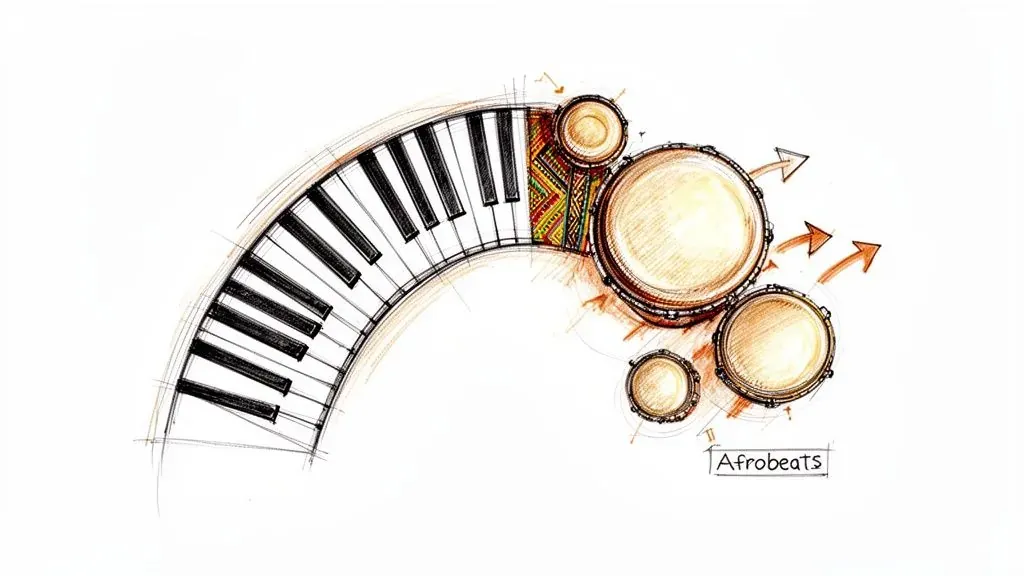
Afrobeats’ surge from its West African origins to becoming a global force cements its place among the top genres of music. This vibrant sound, a modern fusion of African rhythms with R&B, hip-hop, and electronic influences, is experiencing explosive growth on Spotify alongside its South African cousin, amapiano. For independent artists, these genres represent a rapidly expanding frontier with a burgeoning playlist ecosystem and massive growth potential in African and international markets.
This global ascent is fueled by strategic playlisting. Artists like Burna Boy and Rema have achieved worldwide recognition through consistent placement on major editorial and user-created playlists, bridging local and international audiences. CKay’s viral hit “Love Nwantiti” showcased how a single track, particularly one with amapiano elements, can explode through platforms like TikTok and subsequently dominate Spotify charts, demonstrating the power of cross-platform promotion within these genres.
Actionable Strategies for Afrobeats & Amapiano Artists
To stand out in this dynamic scene, a focused and data-conscious approach is crucial. Verifying playlist quality is especially important due to the genre’s rapid growth and associated fraudulent activity.
- Vet Playlists Diligently: This genre has seen a rise in fraudulent playlists. Use a tool with bot detection to analyze follower metrics and stream authenticity before submitting. Focus on playlists showing organic, steady growth.
- Identify Genuine Playlists: Employ a Playlist Analyzer to discover legitimate and influential Afrobeats and amapiano playlists. Filter for curators who are actively growing their listenership and have a history of breaking new artists.
- Target Region-Specific Keywords: Use a Keyword Search to research terms specific to your sound and target market (e.g., “Ghana afrobeats,” “amapiano mix 2024,” “Nigerian pop”). Integrate these into your track metadata and artist bio.
- Track Your Geographic Reach: After getting placed, monitor your Monthly Listeners Tracker to see where your streams are coming from. This data is vital for understanding your regional appeal and planning market-specific promotions or tours.
- Craft Targeted Editorial Pitches: As Spotify expands its editorial support for these genres, use an AI Editorial Pitch Generator to create compelling pitches for lists like African Heat or Amapiano Grooves, referencing similar artists who have been featured.
Top 10 Music Genres Comparison
| Genre | 🔄 Implementation Complexity | ⚡ Resource Requirements | 📊 Expected Outcomes | 💡 Ideal Use Cases | ⭐ Key Advantages |
|---|---|---|---|---|---|
| Hip-Hop / Rap | High — complex rhyme/production, frequent collaborations | High — pro production, marketing, playlist vetting | Very high streams & playlist exposure; competitive discoverability | Targeting mainstream playlists, collaborator-driven growth | Massive global audience; strong playlist monetization |
| Pop | High — polished production and trend alignment | Very high — studio, visuals, promotion, radio push | Highest streaming potential and mainstream reach | Artists seeking broad commercial success and radio crossover | Largest listener base; extensive editorial playlists |
| Electronic / EDM | Moderate — production-focused, technical sound design | Moderate — DAW skills, remix/collab budgets, live setup | High playlist and festival visibility; niche sub-genre success | Producers/DJs aiming for dance playlists and festival bookings | International appeal; dedicated dance communities |
| Rock / Alternative Rock | Moderate — live instrumentation and recording quality | Moderate — band recording, touring logistics | Steady engagement with passionate fans; lower algorithmic push | Bands focused on touring, indie/alternative playlists | Loyal fanbase; strong live performance opportunities |
| R&B / Soul | Moderate — vocal production and emotive arrangement | Moderate-high — vocal engineering, quality mixing | Growing streams; high replay value and dedicated listeners | Artists prioritizing artistic depth and vocal-driven playlists | Engaged listeners; strong collaboration potential |
| Indie / Indie Pop | Low-Moderate — DIY production, niche curation | Low — cost-effective production, consistent releases | Good algorithmic amplification for discovery; slower scale | Independent artists leveraging algorithmic playlists | Authenticity-valued community; fast release cycles |
| Latin / Reggaeton | Moderate — rhythm-specific production, language nuance | Moderate-high — regional marketing, collaborations | Rapid growth with strong regional/ global spikes | Artists targeting Latin markets and dance playlists | Explosive growth; strong regional streaming bases |
| Country / Americana | Moderate — acoustic instrumentation, storytelling focus | Moderate — live recording, regional promotion | Stable engagement in core markets; niche global reach | Artists focused on North American audiences and touring | Highly loyal listeners; clear curator categories |
| Pop Punk / Emo | Moderate — energetic instrumentation and emotional vocals | Moderate — skilled players, production and community work | Growing revival streams; passionate niche engagement | Artists leveraging nostalgia and Gen Z communities | High fan loyalty; strong festival/tour potential |
| Afrobeats / Amapiano | Moderate — regional rhythms and production authenticity | Moderate — local market knowledge, bot vetting | Exceptional growth; fast international expansion in regions | Artists targeting African markets and global crossovers | Rapidly expanding listener base; strong playlist momentum |
From Data to Dominance: Your Next Move
The journey through Spotify’s top genres of music reveals a powerful truth: success is not an accident. From the keyword-driven discovery of Hip-Hop to the editorial gatekeeping in Pop, and from the community-powered rise of Pop Punk to the global surge of Afrobeats, each genre operates within its own distinct ecosystem. Understanding these individual landscapes is the foundational step, but the real work begins now. It’s about translating this knowledge into a concrete, data-informed strategy that propels your music forward.
The most common mistake artists make is treating a music release as the finish line. In reality, it’s the starting pistol. Your goal is not just to release music but to release it with intention. This means moving beyond guesswork and embracing a methodical approach to audience targeting, playlist pitching, and profile optimization. The insights provided for each genre in this article are not just interesting facts; they are tactical blueprints waiting to be put into action.
Synthesizing the Strategy: Your Actionable Roadmap
To truly make your mark, you must shift from a passive artist to an active strategist. The path from releasing a track to building a career is paved with deliberate, data-backed decisions. Here’s how you can consolidate the lessons from our exploration of the top music genres and build your go-to-market plan.
1. Define Your Genre-Specific Persona: Your artist profile is your digital storefront. It needs to speak the language of your target genre instantly.
- Visuals: Does your profile picture, header, and canvas video align with the aesthetic of your genre? An Indie artist’s visuals should feel different from an EDM producer’s.
- Biography: Your Spotify bio is a prime piece of SEO real estate. Weave in your primary genre, subgenres, and “sounds like” artists naturally. For example, instead of “I make music,” try “Crafting melancholic Indie Pop with echoes of Bon Iver and Phoebe Bridgers.”
2. Master the Art of the Pitch: Playlist pitching is a numbers game, but you can dramatically improve your odds by focusing on quality over quantity.
- Targeting: Use the playlist curator data and keyword insights from this guide to find the right playlists, not just the biggest ones. A smaller, highly engaged playlist within your niche (like “Lofi Beats for Coding”) is far more valuable than a placement on a generic, botted list.
- Personalization: Address curators by name. Reference a specific track on their playlist that you enjoy. Explain why your song is a good fit for their specific audience and sonic theme. A thoughtful, personalized pitch will always stand out.
3. Build Your SEO Foundation: Discovery on Spotify is increasingly driven by search. Think like a listener. What terms would they use to find music like yours?
- Track Titles & Metadata: If it fits your artistic vision, consider descriptive titles. A title like “Rainy Day Jazz Piano” is a search query in itself.
- Playlist SEO: Create your own branded playlists. A playlist titled “Dark & Moody Alternative Rock | similar to Deftones & Chevelle” not only organizes your influences but also captures search traffic for those keywords, leading listeners back to your profile.
Ultimately, your success on Spotify hinges on your ability to connect the dots between your art and the audience waiting to discover it. Whether you are a solo Country artist, part of a Pop Punk band, or an Amapiano producer, the core principles apply. Use the specific data, keyword opportunities, and tactical advice laid out in this guide as your operational manual. Test, measure, and refine your approach. By embracing this strategic mindset, you move from simply hoping for listeners to actively engineering their discovery.
Ready to stop guessing and start growing? The insights in this article are just the beginning. To truly implement a data-driven strategy, you need the right tools. artist.tools provides the essential data to vet playlists, research keywords, and track your performance, turning the complex Spotify ecosystem into a clear path for growth. Explore real playlist data and build your next campaign with confidence at artist.tools.